


Durability Compared: 100% Human Hair vs. Synthetic Hair – Which Should You Choose?
.jpg)
When shopping for a wig, durability is often just as important to customers as how the piece looks. Between the two most common options on the market — 100% human hair and synthetic hair — which one actually lasts longer, and where does that difference come from? In this article, HQ Hair breaks it down in detail to help you make the choice that best fits your needs.
Why Does Durability Matter So Much When Choosing a Hair extension?
A hair extenson isn't just a one-time beauty item — it's typically meant for ongoing use, anywhere from a few months to several years depending on the type of product and how well it's cared for. That's exactly why durability has such a direct impact on the real value a customer gets for their money.
Today's market is built around two main raw materials: 100% human hair and synthetic hair. Each comes with its own characteristics, advantages, drawbacks, and durability profile, suited to different needs. Understanding these differences helps you avoid ending up with a product that doesn't match what you actually need.
1. What Is 100% Human Hair?
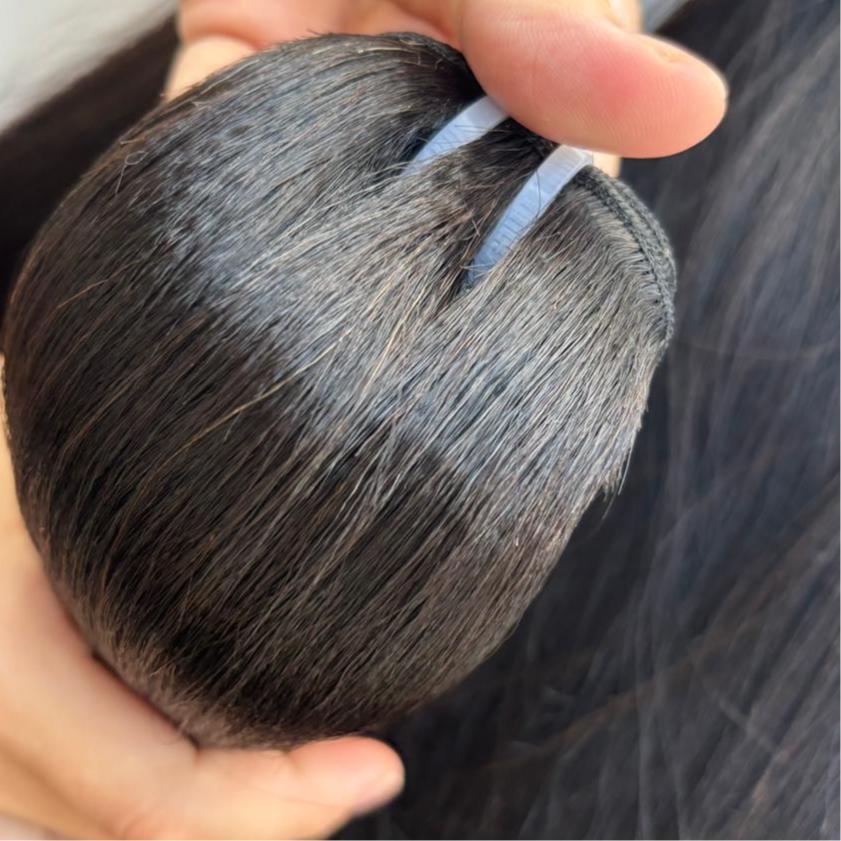
100% human hair is hair collected directly from human donors, retaining all of its natural properties — elasticity, movement, and how it responds to heat — much like hair growing from your own head. It's widely regarded for its natural look and styling flexibility.
2. What Is Synthetic Hair?
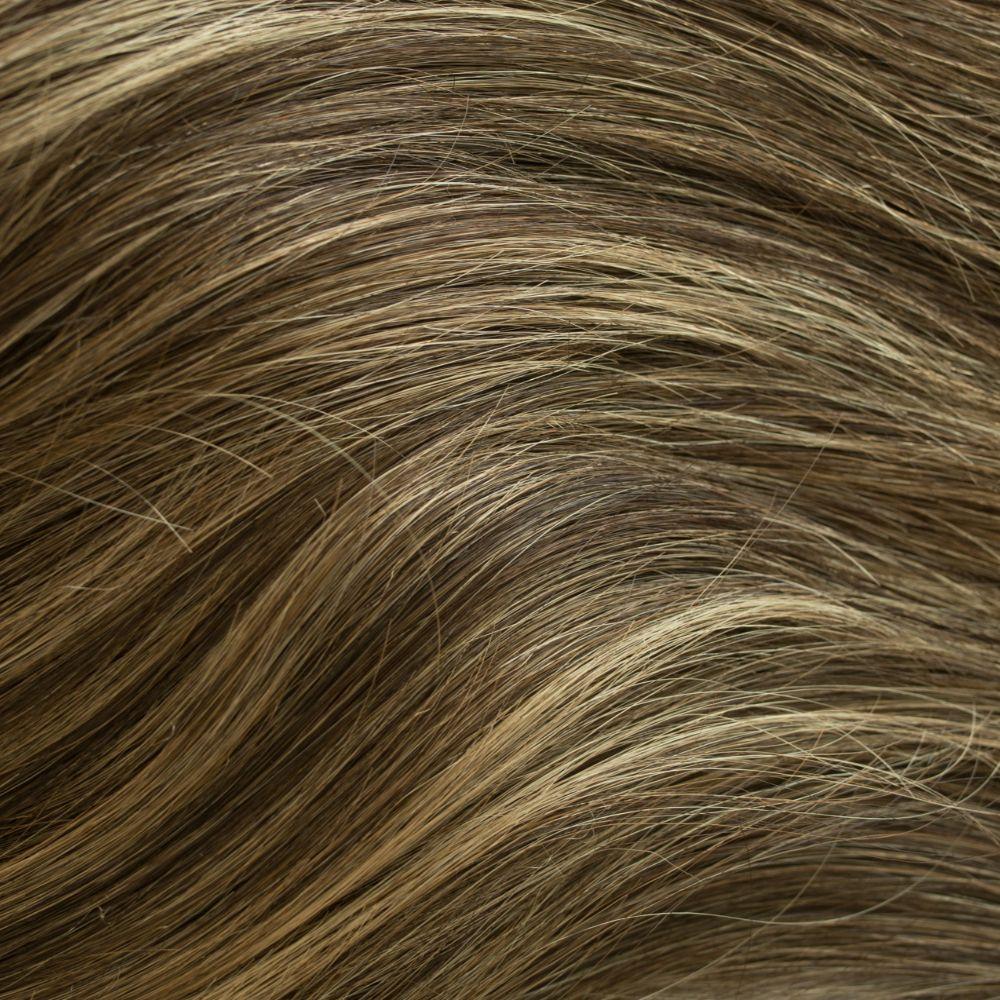
Synthetic hair is made from man-made materials such as nylon, polyester, or other synthetic fibers, processed to mimic the look and color of real hair. It's typically priced significantly lower than 100% human hair.
3. Comparing Durability: 100% Human Hair vs. Synthetic Hair
Heat Resistance
100% Human Hair: Handles heat much like hair growing naturally from the scalp, allowing you to use flat irons or curling wands at appropriate temperatures to style it flexibly without damaging the strand structure — as long as it's used correctly with a heat protectant.
Synthetic Hair: Most standard synthetic hair can't withstand high heat. Using heat styling tools on it can cause the strands to melt, curl up permanently, or become damaged beyond repair. (Some premium synthetic hair has limited heat resistance, but it's still far less flexible than human hair.)
Longevity Over Time
100% Human Hair: With proper care, 100% human hair can maintain good quality for a long time — often anywhere from several months to a few years, depending on how frequently it's worn and how well it's cared for.
Synthetic Hair: Lifespan is typically much shorter, commonly ranging from a few weeks to a few months depending on the quality of the synthetic fiber and how often it's used. Synthetic strands also tend to degrade faster, especially with regular friction and sun exposure.
Resistance to Tangling and Frizz
100% Human Hair: Thanks to its natural cuticle layer (especially with virgin hair), human hair resists tangling better and stays smoother over extended use.
Synthetic Hair: Without a natural cuticle structure, synthetic hair tends to tangle and knot more easily over time, particularly with regular friction — from rubbing against clothing or a pillow while sleeping, for example.
Color Longevity
100% Human Hair: Virgin hair products hold their natural color very well. For dyed pieces, color longevity depends on the quality of the dye and how well it's cared for, but the hair can generally be re-dyed later if needed.
Synthetic Hair: Color is typically baked into the fiber during manufacturing and is difficult to change afterward. Over time, sun exposure can cause the color to fade or shift from its original tone.
Ability to Recover from Minor Damage
100% Human Hair: Mild dryness can often be improved through deep conditioning treatments, similar to how you'd care for the hair growing from your own scalp.
Synthetic Hair: Once damaged — particularly from heat — synthetic fibers have essentially no ability to recover, since they lack the biological structure needed to repair themselves.
4. Quick Comparison Summary
🔹 Heat Styling Tolerance
100% Human Hair: Good — can be styled flexibly, just like natural hair
Synthetic Hair: Poor — prone to damage from high heat
🔹 Average Lifespan
100% Human Hair: Several months to a few years (with proper care)
Synthetic Hair: A few weeks to a few months
🔹 Tangle Resistance
100% Human Hair: Good, especially with virgin hair
Synthetic Hair: Prone to tangling and frizz over time
🔹 Color Longevity
100% Human Hair: High — can be re-dyed if needed
Synthetic Hair: Prone to fading or color shift, hard to change
🔹 Recovery from Damage
100% Human Hair: Can be improved with deep conditioning
Synthetic Hair: Essentially unable to recover
🔹 Price
100% Human Hair: Higher
Synthetic Hair: Significantly lower
5. So, Should You Choose 100% Human Hair or Synthetic Hair?
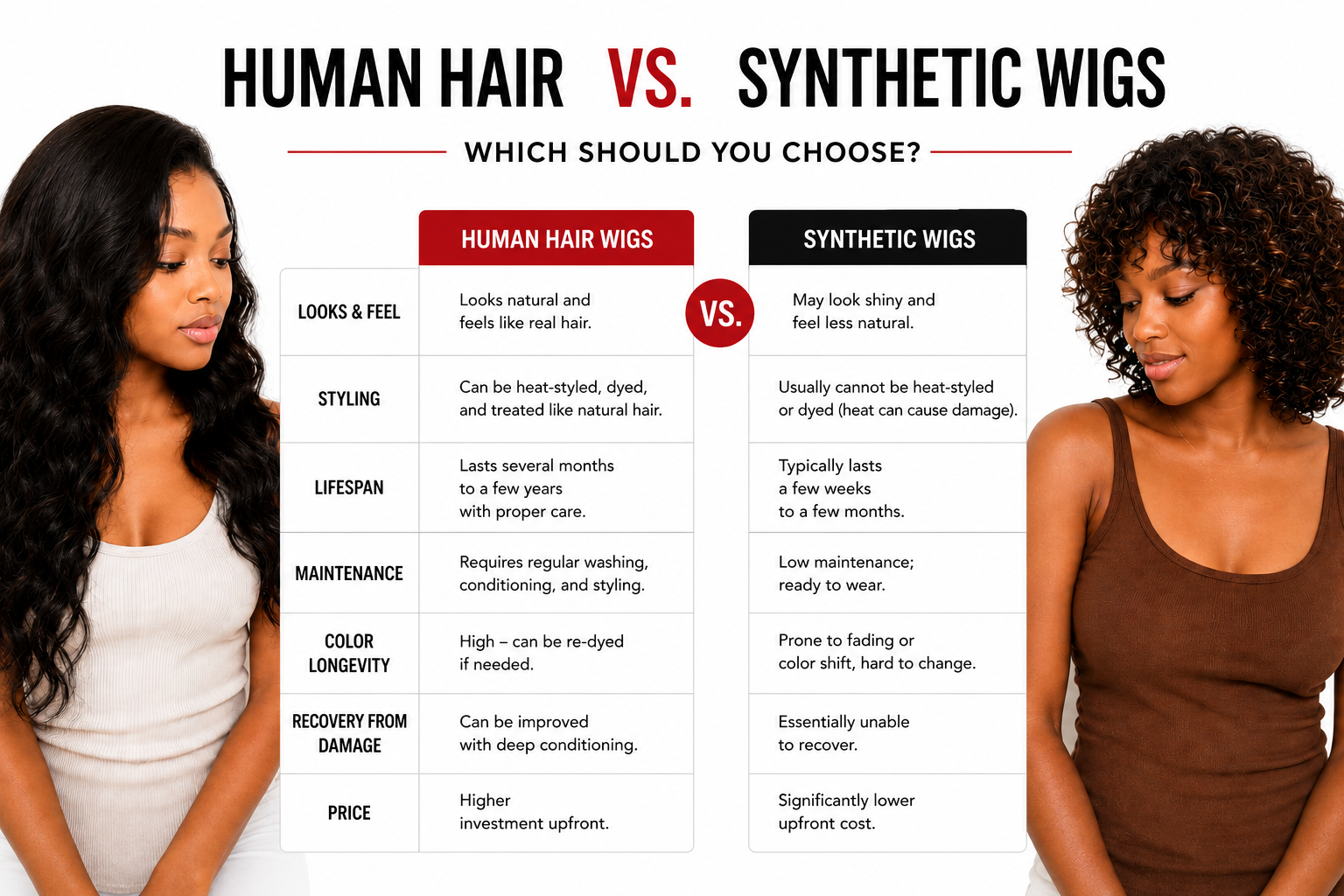
The right choice between the two comes down to your specific needs — there's no single answer that applies to everyone.
100% human hair is likely the better fit if you:
Plan to wear it frequently over the long term
Want the flexibility to style it with heat (straightening, curling) as you like
Prioritize the most natural look and feel possible
Are willing to invest more upfront for longer-term value
Synthetic hair may be worth considering if you:
Only need it for short-term or one-time use (costumes, a single event)
Are working with a limited budget
Don't need to style it with heat
6. Frequently Asked Questions
.jpg)
Is 100% human hair always more durable than synthetic hair? Structurally speaking, 100% human hair is generally more durable when properly cared for. That said, if human hair isn't cared for correctly — using excessive heat or skipping regular conditioning, for example — its actual durability can decline significantly over time.
How can you tell human hair and synthetic hair apart when shopping? Common ways to tell them apart include checking for natural shine, testing how the hair reacts to low heat (human hair generally handles heat better), or simply choosing a product from a reputable brand that's transparent about what materials it uses.
Is synthetic hair always lower quality? Not necessarily. Synthetic hair still has its place, particularly for short-term needs or tighter budgets. The question isn't really about which type is "worse" — it's about choosing the one that actually fits your intended use.
7. Conclusion
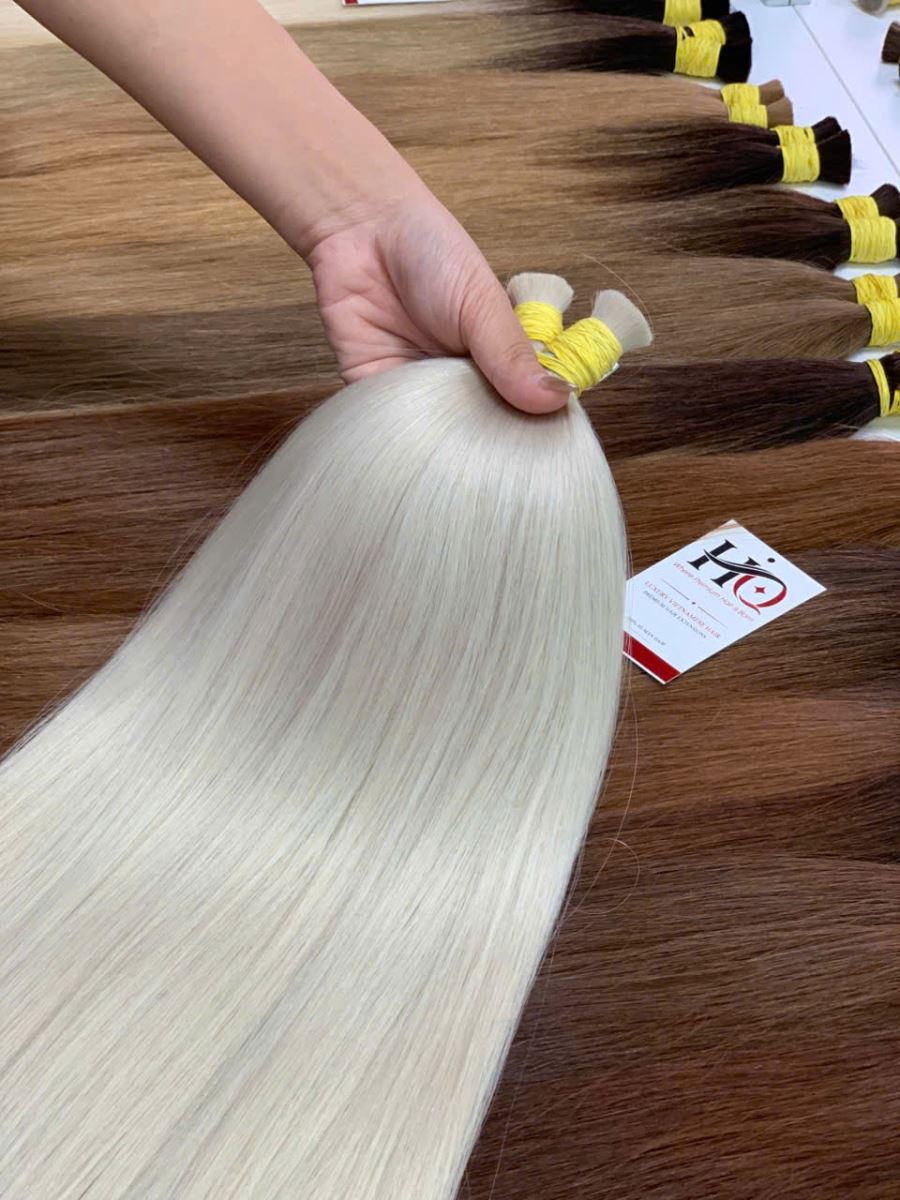
Both 100% human hair and synthetic hair come with their own strengths and limitations, suited to different needs. Generally speaking, if long-term durability, flexible styling, and the most natural possible look matter most to you, 100% human hair is the stronger choice. On the other hand, if your needs are short-term or your budget is more limited, synthetic hair can still be a reasonable solution.
If you'd like more specific guidance on choosing the right product for your needs, the HQ Hair team is always here to help.
👉 Reach out to HQ Hair today for personalized advice on finding the right 100% human hair product for you
+84 389 023 690