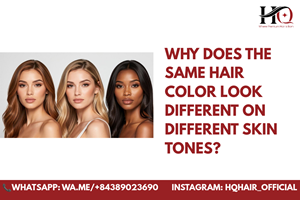



Why Does the Same Hair Color Look Different on Different Skin Tones?
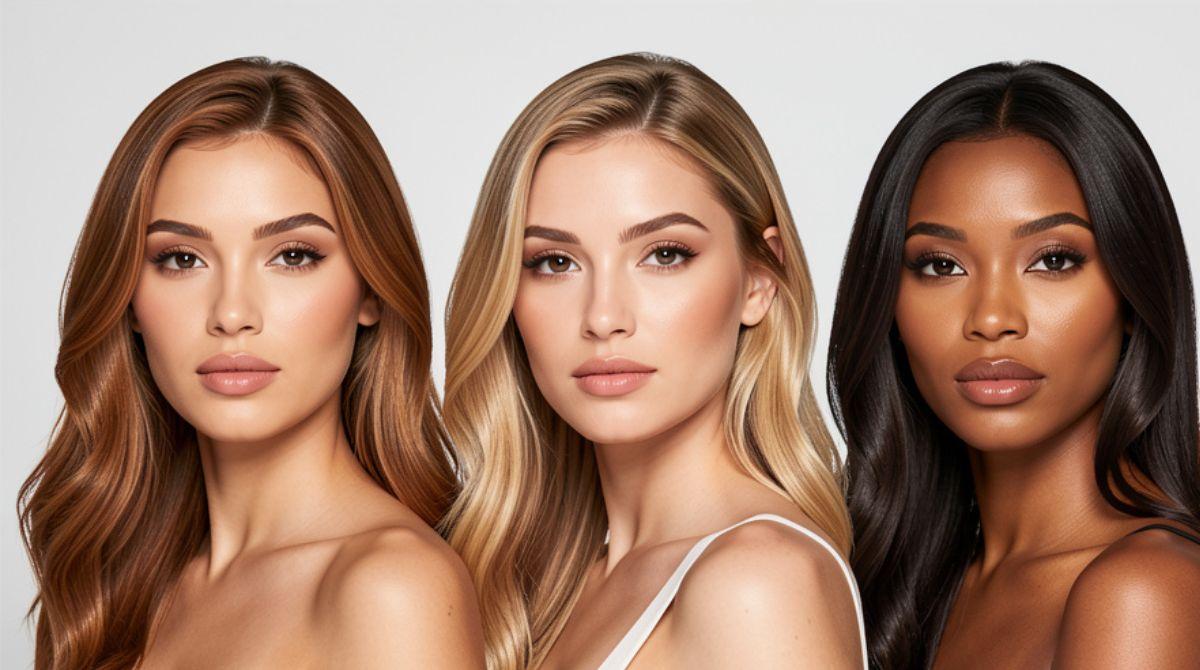
Have you ever noticed that the same hair color can look completely different on two people?
A shade that looks soft and natural on one person may appear warmer, brighter or even slightly dull on another.
The reason is not always the hair itself. Skin tone and, more importantly, skin undertone can change how we perceive color.
For salons and hair extension professionals, understanding this difference can make shade matching much easier and help customers choose a color that works naturally with their overall appearance.
1. Skin Tone vs Skin Undertone: What Is the Difference?
Before talking about hair color, it is important to understand the difference between skin tone and skin undertone.
These two terms are often used interchangeably, but they are not the same.
What is skin tone?
Skin tone refers to the visible color of the surface of your skin.
It can generally be described as:
• Fair
• Light
• Medium
• Tan
• Deep
Skin tone can change over time due to sun exposure, seasons or other factors.
What is skin undertone?
Skin undertone is the subtle color underneath the surface of the skin.
It is usually more stable than your visible skin tone.
The three most common categories are:
Warm Undertone
Usually has golden, yellow, peach or warm characteristics.
Cool Undertone
Often has pink, red or bluish characteristics.
Neutral Undertone
A balance between warm and cool tones.
Two people can have a similar medium skin tone but completely different undertones.
That is one reason why the same hair color may look very different on them.
Why does undertone matter more than skin tone?
Imagine two clients with similar medium skin tones.
One has a warm undertone, while the other has a cool undertone.
A warm brown hair color may blend beautifully with the first client but appear noticeably warmer on the second.
So when choosing a hair color, looking at skin tone alone may not be enough.
2. How Does Skin Undertone Change the Way We See Hair Color?
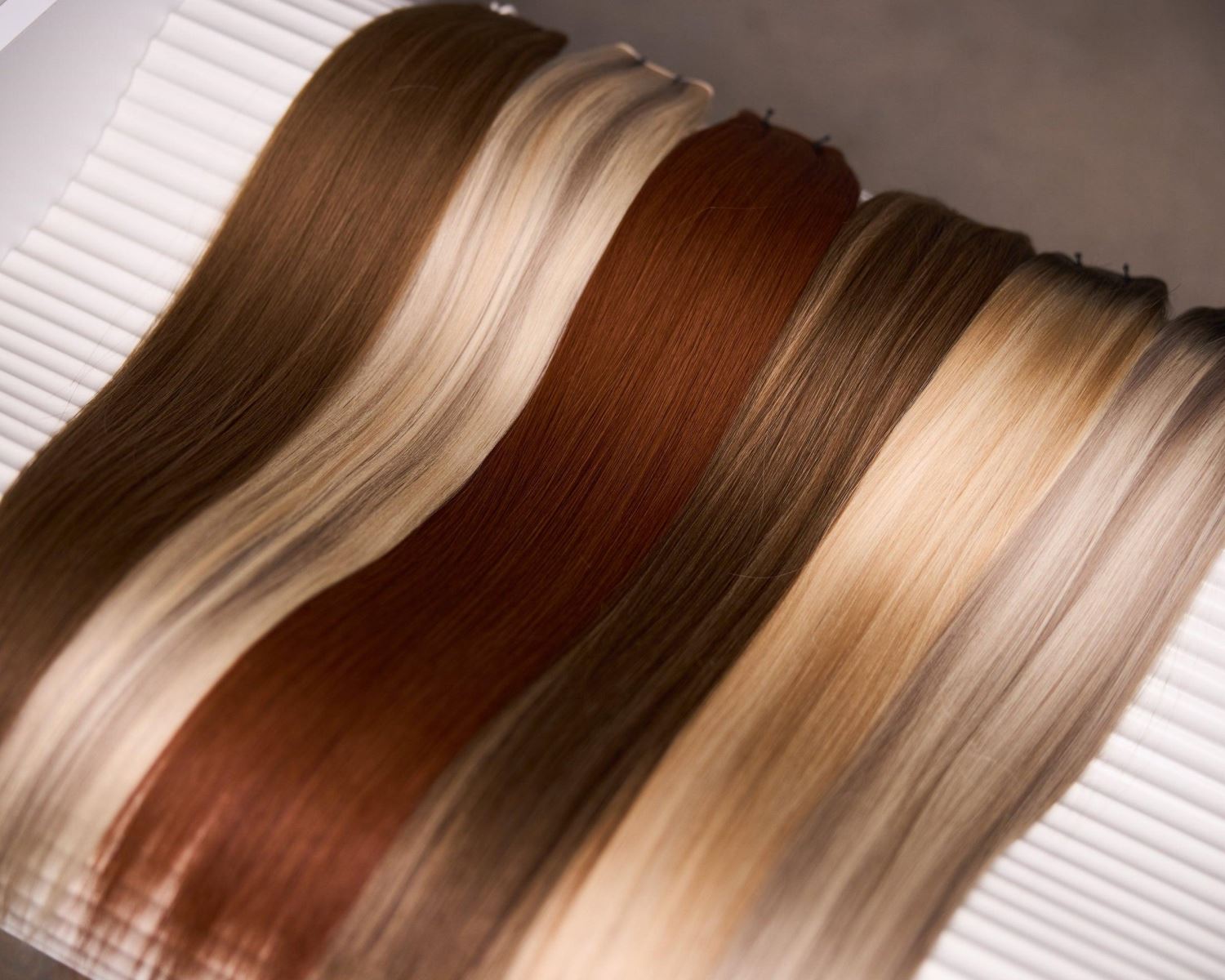
Hair color is not perceived independently.
When we look at someone's hair, our eyes also take in their skin, eyes, eyebrows, clothing and the surrounding light.
This creates an overall color relationship.
Color is perceived in context
The exact same hair shade can appear:
• Warmer
• Cooler
• Brighter
• Darker
• Softer
• More contrasting
depending on the person wearing it.
This does not necessarily mean that the hair color itself has changed.
The surrounding colors simply influence how our eyes perceive it.
Warm undertones can make some shades appear warmer
On warm skin undertones, shades with golden, yellow, peach or red characteristics may look particularly harmonious.
Examples include:
• Honey blonde
• Caramel
• Golden blonde
• Warm brown
• Copper
These shades can enhance the warmth already present in the complexion.
Cool undertones can change the appearance of warm shades
When a warm hair color is placed next to cool skin, the contrast may become more noticeable.
For clients with cool undertones, shades such as:
• Ash blonde
• Ash brown
• Beige blonde
• Cool brown
may create a more balanced overall appearance.
Neutral undertones offer more flexibility
Neutral undertones often allow customers to move between warm and cool shades more easily.
However, this does not mean every shade will look equally good.
The depth of the color, the client's natural hair color and the level of contrast they want still matter.
3. Hair Colors for Warm Undertones
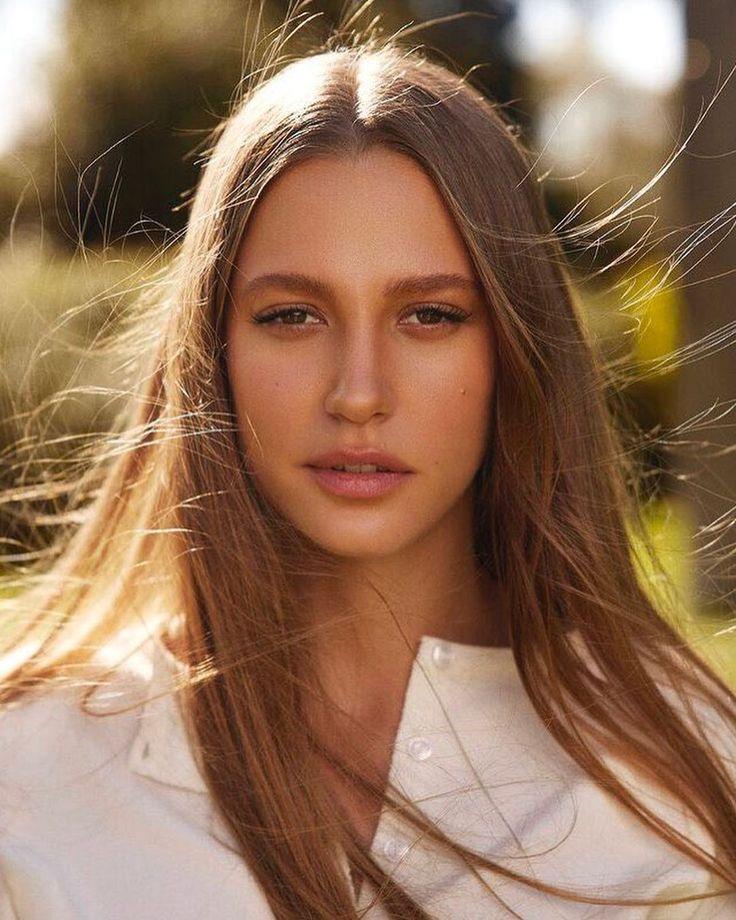
Warm undertones often work naturally with hair colors that have golden, caramel, honey or copper characteristics.
Golden Blonde
Golden blonde can complement the warmth in the complexion and create a bright, healthy looking appearance.
Honey Blonde
Honey blonde sits between blonde and warm golden tones.
It can create a softer result than very bright blonde shades.
Caramel
Caramel is a versatile option for clients who want warmth without going too light.
It can also work well in balayage and highlight combinations.
Warm Brown
Warm brown shades can create a natural transition between the skin and hair, especially when the client wants a richer brunette look.
Copper and Auburn
For clients looking for a more noticeable change, copper and auburn can complement warm undertones particularly well.
The key is not simply choosing a warm color because the skin is warm.
The depth and intensity of the shade should also match the client's overall appearance.
4. Hair Colors for Cool Undertones
Cool undertones often pair well with shades that have ash, beige, smoky or neutral characteristics.
Ash Blonde
Ash blonde has cooler undertones and can create a clean, modern appearance.
Beige Blonde
Beige blonde sits between warm and cool.
It can be a useful option for clients who want blonde without an overly golden result.
Ash Brown
Ash brown can create a softer, cooler brunette appearance.
It is particularly useful when a client wants to avoid strong golden or red tones.
Cool Brunette
Cool brunette shades can create a more refined and balanced look for clients with cool undertones.
Soft Black
Black hair can create strong contrast against the skin.
For clients with cool undertones, softer black or cool black shades may create a more harmonious result than extremely warm black tones.
5. Hair Colors for Neutral Undertones
Neutral undertones offer more flexibility because they sit between warm and cool.
Neutral Blonde
Neutral blonde can work well when the client wants a balanced blonde without a strong golden or ash appearance.
Natural Brown
Natural brown is another versatile option because it can sit comfortably between warm and cool.
Soft Balayage
Balayage can be particularly useful because it allows several tones to be blended rather than relying on one solid shade.
Bronde
Bronde combines blonde and brunette characteristics and can be adjusted toward either a warmer or cooler direction.
For neutral undertones, the choice can depend more heavily on personal style, natural hair color and the level of contrast the client wants.
6. Why Can the Same Blonde Look Completely Different?
Blonde is one of the best examples of why hair color names are not enough.
When someone says they want “blonde hair,” that could mean many different shades.
Blonde is not one color
There are many types of blonde, including:
• Golden blonde
• Honey blonde
• Beige blonde
• Ash blonde
• Platinum blonde
• Champagne blonde
Each one has a different underlying tone.
This is why two blonde extensions can both be labeled “blonde” but look completely different when placed next to the skin.
The underlying pigment matters
A blonde with strong yellow or golden pigment will create a different visual effect from a blonde with ash, beige or neutral characteristics.
For example, a golden blonde may look especially warm on warm skin, while an ash blonde may create more contrast.
Lighting changes blonde significantly
Lighting is another major factor.
Hair can look different under:
• Natural daylight
• Warm indoor lighting
• Cool white lighting
• Studio lighting
• Camera flash
This is particularly important when customers choose hair extensions from online photos.
A shade that looks perfect on a screen may appear slightly different in real life.
7. Why Do Brown Hair Shades Also Look Different?
Brown is another color category where small differences in undertone can create very different results.
Warm Brown
Warm brown may contain golden, caramel or chocolate characteristics.
It can create a rich and warm appearance.
Cool Brown
Cool brown may have ash or smoky characteristics.
It can create a more muted and sophisticated result.
Natural Brown
Natural brown tends to sit closer to a balanced middle point.
The same brown shade can also appear different depending on what it is placed next to.
A brown extension may look warmer against cool skin and more neutral against warm skin.
This is why color matching should consider the complete picture rather than the shade name alone.
8. How Does This Affect Hair Extension Color Matching?
This is where understanding skin undertones becomes particularly useful for salons and hair extension professionals.
When a client chooses extensions, the goal is usually not simply to find a color that looks attractive on a color chart.
The goal is to find a shade that works naturally with the client's existing hair and overall appearance.
Matching the hair to the client's skin tone
Instead of asking only:
“What color does the client want?”
It can also be useful to ask:
“What tone works best with the client's complexion?”
For example, two clients may both ask for blonde extensions.
One may look better with a warmer honey or golden blonde, while another may prefer a beige or ash blonde.
The same shade can create different visual results
The same extension color can:
• Look brighter
• Look darker
• Look warmer
• Look cooler
• Look softer
• Create stronger contrast
depending on the person wearing it.
This is why color matching is not always as simple as matching one color code to one result.
Why salons need more than one shade option
This is one reason a good color ring can be so useful.
Instead of choosing between only “blonde,” “brown” or “black,” salons can compare nearby shades and identify subtle differences in tone.
A professional color ring can make it easier to compare shades under the same lighting and choose the closest match.
9. Why Should Wholesalers Understand Skin Undertones?
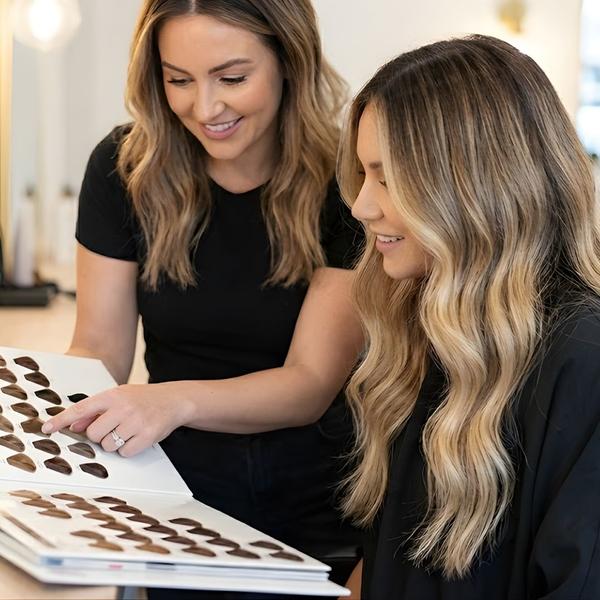
Understanding skin undertones is not only useful for stylists.
It can also help wholesalers make better product recommendations.
Better product recommendations
When a wholesaler understands the difference between warm, cool and neutral shades, they can communicate more effectively with salons.
Instead of simply saying that a color is “blonde,” they can explain whether it is warm, cool or neutral.
Better shade selection
A wholesaler does not necessarily need to stock every possible color.
But understanding shade families can help them build a more useful color portfolio.
For example, instead of having many similar blonde shades without a clear structure, a wholesaler can offer a selection across:
Warm Blonde → Neutral Blonde → Cool Blonde
The same approach can be applied to brown shades.
Fewer color matching problems
Customers sometimes expect a hair color to look exactly like a photo or color chart.
Understanding undertones helps explain why the same shade may look slightly different on different people.
This can create more realistic expectations before an order is placed.
More useful color catalogs
A color catalog becomes more useful when it provides more information than just a color number.
Shade names, tone direction, product photos and real hair samples can all help salons make better decisions.
10. How to Choose the Right Hair Color More Accurately
Choosing a hair color does not have to be complicated.
A simple process can help reduce mistakes.
Step 1: Identify skin tone
Start by looking at the overall depth of the skin:
Fair, light, medium, tan or deep.
Step 2: Identify the undertone
Next, determine whether the skin appears:
Warm, Cool or Neutral
This provides a better starting point for choosing the direction of the hair color.
Step 3: Look at the hair color base
Ask whether the desired hair color is:
Warm, cool or neutral.
The closer the relationship between the skin undertone and hair tone, the more harmonious the result may appear.
Step 4: Consider contrast
Not everyone wants a perfectly blended look.
Some clients prefer a soft, natural appearance, while others want their hair color to create stronger contrast.
So ask:
Do you want the result to look soft and natural or more noticeable and high contrast?
Step 5: Check the shade in natural light
Whenever possible, compare hair extensions under natural daylight.
This can give a more accurate impression of the real shade than warm indoor lighting or a phone screen.
11. Common Mistakes When Choosing Hair Color
Even with a good understanding of undertones, some common mistakes can still lead to poor color matching.
Choosing based only on skin tone
Knowing that someone has fair, medium or deep skin is not enough.
Their undertone also matters.
Looking at photos under different lighting
Two photos of the same hair can look completely different if they were taken under different lighting conditions.
Assuming blonde is one shade
Blonde has many different undertones.
Always look beyond the word “blonde” and check whether the shade is warm, cool or neutral.
Choosing a shade based only on the color name
Names such as “natural blonde,” “brown” or “beige” can vary between suppliers.
The actual hair sample is often more useful than the name alone.
Matching only the hair without considering the overall complexion
Hair should not be viewed separately from the face.
Skin, eyes, eyebrows and natural hair all contribute to the final result.
Ignoring natural hair color
When applying extensions, the client's existing hair is one of the most important factors.
A shade that looks beautiful against the skin may still create an obvious mismatch if it does not blend with the natural hair.
12. FAQ
Can the same hair color suit different skin tones?
Yes. The same hair color can work on different skin tones, but the visual effect may change. Undertone, contrast and natural hair color all influence the final appearance.
What hair colors suit warm undertones?
Warm undertones often work well with golden blonde, honey, caramel, warm brown, copper and auburn shades.
What hair colors suit cool undertones?
Cool undertones often pair well with ash blonde, beige blonde, ash brown, cool brunette and softer cool black shades.
What hair colors work with neutral undertones?
Neutral undertones generally offer more flexibility. Natural brown, neutral blonde, bronde and balanced balayage shades can all be good options.
Does blonde look different on different skin tones?
Yes. Blonde can look warmer, cooler, brighter or softer depending on the skin undertone, surrounding colors and lighting.
How do I choose hair extension colors for my clients?
Consider the client's natural hair color, skin undertone, desired level of contrast and the lighting in which the hair will normally be seen. Comparing physical hair samples is also highly recommended.
Should salons use a color ring for shade matching?
Yes. A color ring allows salons to compare multiple shades side by side and identify subtle differences in tone that may not be obvious from photos or color names.
Is skin undertone more important than skin tone when choosing hair color?
Both matter, but undertone can provide useful additional information because it helps determine whether warm, cool or neutral hair shades are likely to create a harmonious result.
13. Conclusion
The same hair color does not necessarily create the same visual effect on everyone.
Skin tone, skin undertone, lighting, natural hair color and surrounding colors all influence how we perceive a shade.
For salons and hair extension professionals, understanding these differences can make color consultation more accurate and help customers choose extensions with more realistic expectations.
The right hair color is not only about the shade itself.
It is about how that shade works with the person wearing it.
+84 389 023 690