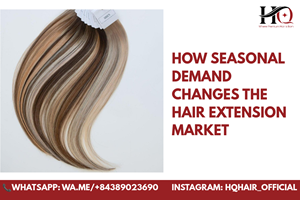


How Seasonal Demand Changes the Hair Extension Market
Hair extension demand does not stay the same throughout the year. Customer needs can change with the seasons, weddings, holidays and special events.
For wholesalers, understanding these patterns can make a big difference in stock planning. The goal is not simply to buy more hair, but to prepare the right products before demand increases and avoid being left with unnecessary stock afterward.
1. Why Does Seasonal Demand Matter in the Hair Extension Market?
Seasonal demand is an important factor for hair extension wholesalers because customer buying behavior can change throughout the year.
A product that sells quickly during one season may move much more slowly during another. At the same time, certain colors, lengths or extension methods may suddenly become more popular because of holidays, weddings or travel periods.
Customer occasions change throughout the year
Hair extensions are closely connected to personal appearance. When people have more social events, holidays or special occasions, they may become more interested in changing their hair.
This can create additional demand for length, volume, new colors or different textures.
Salons prepare before customers arrive
The demand that wholesalers see does not always happen at the same time as the demand from the final customer.
A salon may start preparing its inventory several weeks before its clients begin booking more appointments.
For this reason, wholesalers need to look ahead rather than simply react to current orders.
Wholesale demand can rise before retail demand
This is one of the most important points for inventory planning.
When the final customer starts looking for hair extensions, the salon needs to have the products available already.
That means the wholesale demand may increase before the peak retail demand actually arrives.
Seasonal demand affects more than quantity
Seasonality is not only about selling more hair.
It can also change what customers are looking for:
• Hair colors
• Hair lengths
• Textures
• Extension methods
• Product quantities
• Premium versus standard quality
Understanding these changes can help wholesalers decide what to stock and when to reorder.
2. Summer Season: Why Can Hair Extension Demand Increase?
Summer is an important period to watch in many hair extension markets.
With holidays, travel and more social activities, customers may become more interested in refreshing their appearance before going away or attending events.
More holidays and travel
Summer often means more vacations, weddings, festivals and outdoor events.
For some customers, this is a reason to change their hairstyle or add extra length and volume.
Products such as Tape In, Weft and longer lengths may attract attention because they can create a more noticeable transformation.
Natural Wave and other easy to style textures can also become interesting options for customers who want a more relaxed summer look.
Customers want a visible transformation
Hair extensions offer a relatively simple way to change a hairstyle without making a permanent change to natural hair.
Customers can add:
Length + Volume + Color
This makes extensions especially attractive before holidays, vacations or important events.
Which colors can become more attractive?
Summer can bring more attention to lighter and warmer shades in some markets.
Examples may include:
• Blonde
• Balayage
• Caramel
• Honey tones
• Bronde
• Highlighted colors
However, wholesalers should not assume that the same color trends apply everywhere.
A color that performs well in one market may not have the same demand in another.
Local customer data should always come first.
What should wholesalers prepare?
Instead of increasing every product in the warehouse, wholesalers can focus on their strongest products.
A practical approach is:
Core Colors + Popular Lengths + Easy to Sell Textures
This gives customers enough choice while keeping inventory under control.
3. Wedding Season: One of the Most Important Demand Drivers
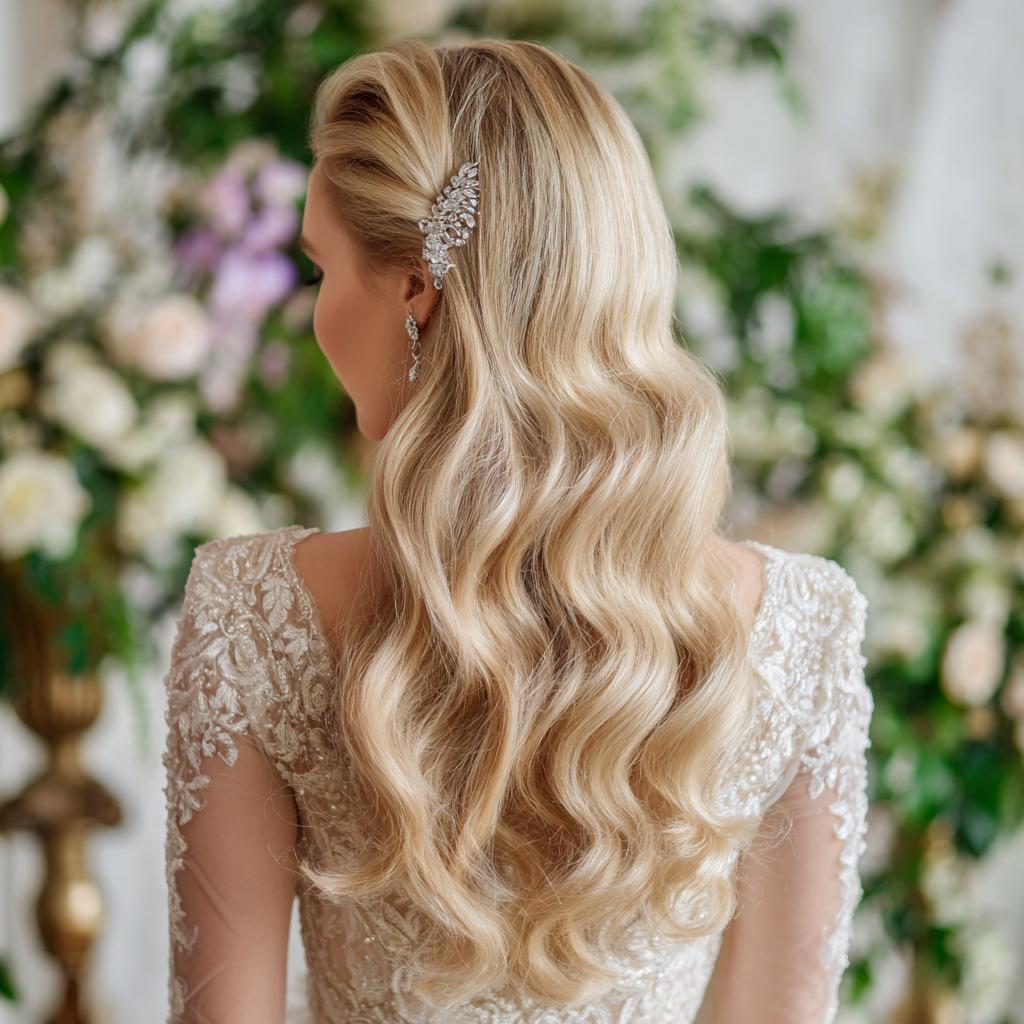
Wedding season can create a different type of demand compared with everyday hair extension purchases.
Brides and wedding guests often want more length, volume and styling options for special hairstyles.
Why do brides need extensions?
Hair extensions can be used to create:
• Longer hairstyles
• More volume
• Bridal updos
• Ponytails
• Braids
• Waves
• More styling options
For stylists, having enough hair available can make it easier to create different bridal looks.
Wedding customers may prefer longer lengths
Longer hair can give stylists more flexibility when creating bridal hairstyles.
Because of this, wedding season can be a period when demand for longer lengths deserves extra attention.
However, this does not mean every wholesaler should immediately stock large quantities of the longest lengths.
The right decision still depends on customer demand and previous sales data.
Natural colors remain important
Wedding season does not automatically mean customers want dramatic colors.
Many customers still prefer elegant and natural shades such as:
• Natural Black
• Brown
• Dark Blonde
• Blonde
• Balayage
The most popular options will depend on the market and the type of salon being served.
Wedding season affects salon purchasing behavior
Salons may need to prepare their stock before the busiest wedding period begins.
This can create demand for:
More Stock + More Color Options + More Lengths
For wholesalers, the important point is timing. If salons are already receiving wedding bookings, it may already be too late to start planning inventory from scratch.
4. Holiday Season: When Customers Spend More on Appearance
Holiday periods can create another opportunity for the hair extension market.
Christmas, New Year and other major holidays often bring more parties, gatherings and social events.
More parties and social events
During holiday periods, customers may have more reasons to invest in their appearance.
They may look for a new hairstyle for:
• Christmas parties
• New Year celebrations
• Family events
• End of year parties
• Social gatherings
Hair transformations become more common
Some customers may want to experiment with their appearance during the holiday season.
This can increase interest in:
• New colors
• Extra length
• More volume
• Waves
• Highlights
• Balayage
For salons, this can create opportunities to offer more styling and extension services.
Fast moving products become especially important
During busy periods, salons are not only looking for good prices.
Availability and delivery speed can become equally important.
If a salon has a customer waiting for a specific color or length, having that product ready to ship can be a major advantage.
This is why wholesalers should identify their fast moving products before the season begins.
5. What Happens to Hair Extension Demand at the End of the Year?
The end of the year can combine several demand drivers at the same time.
Customers may be preparing for Christmas, New Year celebrations, parties, vacations or simply looking for a fresh appearance before the new year.
Christmas and New Year create additional demand
The weeks before major holidays can bring more beauty appointments.
Customers may want to refresh their hair before attending events or meeting friends and family.
For salons, this can mean a temporary increase in demand for popular extension products.
Customers may spend more on premium services
Special occasions can also encourage customers to invest more in their appearance.
This can create opportunities for salons offering premium hair extension services and high quality human hair.
For wholesalers, this may be a good time to pay attention to premium products rather than focusing only on low price.
Wholesale orders may need to be placed earlier
One of the biggest mistakes a wholesaler can make is waiting until the peak season arrives before preparing stock.
By that time, suppliers may already be dealing with higher production volumes and shipping schedules may become tighter.
A useful rule is:
The peak season starts in the market before it starts in your warehouse.
If you know your customers usually become more active before the holidays, your inventory should be prepared before that demand arrives.
6. Does Every Market Have the Same Seasonal Pattern?
No.
This is important because seasonal trends should never be treated as universal rules.
Different countries can have different wedding seasons, holiday periods, travel habits and customer preferences.
Different countries have different peak seasons
Summer in one market may not have the same impact as summer in another.
Wedding activity can also vary significantly by country and region.
Wholesalers serving multiple markets should therefore avoid using one seasonal inventory strategy for every customer.
Customer behavior also differs by market
Even when two markets experience demand at the same time, the products customers want may be different.
One market may prefer blonde and balayage, while another may focus more heavily on natural black, brown or darker shades.
The same applies to lengths and textures.
Local data is more useful than general trends
General market trends are useful for identifying opportunities, but your own sales data is usually more valuable.
Track:
• Previous year sales
• Customer inquiries
• Repeat orders
• Popular colors
• Popular lengths
• Product categories
• Seasonal order volume
Over time, this information can help you identify the patterns that actually matter to your business.
7. How Should Wholesalers Prepare Stock Before a Peak Season?
Preparing seasonal inventory does not mean buying as much as possible.
It means identifying where demand is likely to increase and preparing those products early.
Step 1: Review last year's data
If you have been selling hair extensions for at least one year, look back at the previous season.
Ask:
Which products sold fastest?
Which colors were requested most often?
Which lengths ran out first?
Which products were left in stock after the season?
These answers can help you make better decisions for the next season.
Step 2: Identify seasonal winners
Not every product needs to become seasonal stock.
Divide your inventory into two simple groups:
Core Stock
Products that sell consistently throughout the year.
Seasonal Stock
Products that usually see stronger demand during a particular period.
This makes inventory planning much easier.
Step 3: Order before demand peaks
Timing matters.
If you wait until orders increase significantly, you may face:
• Production delays
• Shipping delays
• Out of stock products
• Missed sales opportunities
Preparing earlier gives you more time to adjust your order if demand changes.
Step 4: Keep flexible stock
Not every seasonal product needs to be purchased in large quantities.
A flexible model can be:
Core Stock → Seasonal Stock → On Demand
Keep your strongest products available, increase selected products before peak season and use on demand ordering for less predictable items.
8. How Early Should a Wholesaler Prepare for Seasonal Demand?
There is no single timeline that works for every market or supplier.
Production time, shipping time, order size and the reliability of your supply chain all need to be considered.
A simple planning timeline could look like this.
8 to 12 weeks before peak season
Analyze previous sales and identify products that may need additional stock.
4 to 8 weeks before peak season
Place orders and confirm production and shipping schedules.
2 to 4 weeks before peak season
Check your inventory again and replenish fast moving products if necessary.
During peak season
Focus on stock rotation, order fulfillment and monitoring which products are selling faster than expected.
This approach gives you more flexibility than waiting until the last minute.
9. Which Hair Extension Products Can Be Seasonal Winners?
Different seasons can create different opportunities.
Season Possible Demand Products to Watch
Summer Length, volume, color changes Tape In, Weft, Wave
Wedding Season Long hair, volume, styling Weft, K Tip, Long Length
Holiday Season Transformation, color, volume Tape In, Weft, Blonde
Year End Premium services, events Long Length, Premium HairThese are patterns to watch, not fixed rules.
A wholesaler should always compare them with actual customer behavior before increasing inventory.
10. Common Seasonal Stock Mistakes Wholesalers Should Avoid
Seasonal demand can create opportunities, but it can also create inventory problems if wholesalers prepare without enough data.
Waiting until demand peaks
If you only order after demand has already increased, you may struggle to replenish stock quickly enough.
Buying too much seasonal stock
A product may sell quickly for several weeks and then suddenly slow down.
Buying too much can leave you with excess inventory after the season ends.
Following global trends without local data
A color trending internationally does not automatically mean it will sell well in your market.
Always compare general trends with your own customer requests and sales history.
Ignoring production and shipping time
A product may be available from your supplier, but that does not mean it can reach your warehouse immediately.
Production and logistics need to be included in seasonal planning.
Stocking too many colors at once
Seasonal demand does not mean every color needs to be increased.
Focus on the shades with the strongest potential.
Forgetting to review previous season performance
After the season ends, do not simply move on.
Review what happened.
Which products sold?
Which products remained?
Which products should you order more or less of next time?
This information becomes valuable for the following year.
11. A Simple Seasonal Inventory Strategy
For wholesalers who want a simple system, seasonal inventory planning can be reduced to five steps:
Analyze → Prepare → Test → Replenish → Review
Analyze
Look at previous sales, inquiries and customer behavior.
Prepare
Identify the products that are likely to need additional stock.
Test
Do not immediately make large purchases for uncertain products. Start with reasonable quantities.
Replenish
When a seasonal product sells faster than expected, reorder the winners.
Review
After the season, evaluate what worked and use the results to improve the next cycle.
This creates a continuous process instead of treating every season as a completely new situation.
12. FAQ
Does hair extension demand increase in summer?
It can. Holidays, travel and social activities may increase interest in length, volume, color changes and certain textures. However, the level of demand varies by market.
Is wedding season important for hair extension wholesalers?
Yes. Weddings can create additional demand for longer lengths, volume and products that give stylists more options for bridal hairstyles.
Should wholesalers increase stock before the holiday season?
Generally, it is better to prepare before the peak rather than wait for demand to arrive. However, the amount of additional stock should be based on previous sales and expected customer demand.
Which hair extension colors sell better during summer?
Lighter and warmer shades such as blonde, caramel, honey, balayage and highlighted colors may become more attractive in some markets. Local sales data should determine which colors deserve more stock.
Should wholesalers stock more long hair before wedding season?
If previous sales and customer inquiries show stronger demand for longer lengths, increasing stock can make sense. It is better to base the decision on actual demand rather than simply assuming long hair will sell.
How early should wholesalers prepare seasonal inventory?
A good starting point is to begin reviewing demand around 8 to 12 weeks before a major peak season, then adjust the timeline based on production and shipping requirements.
Does seasonal demand vary between countries?
Yes. Customer behavior, holidays, wedding periods, climate and beauty preferences can all vary between markets.
How can wholesalers avoid overstocking seasonal products?
Use previous sales data, start with moderate quantities, monitor sales during the season and avoid buying large amounts of products with uncertain demand.
13. Conclusion
Seasonal demand can change not only how much hair customers buy, but also which colors, lengths, textures and extension methods they look for.
For wholesalers, the key is preparation.
You do not need to predict every trend perfectly. Instead, study previous sales, understand your target market, identify seasonal demand and prepare your core products before the peak begins.
The best seasonal inventory is not the biggest inventory.
It is the inventory prepared at the right time, for the right customers, with the right products.
+84 389 023 690