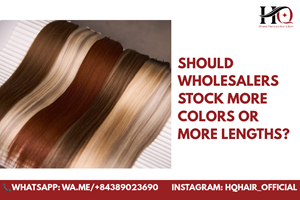



Should Wholesalers Stock More Colors or More Lengths?
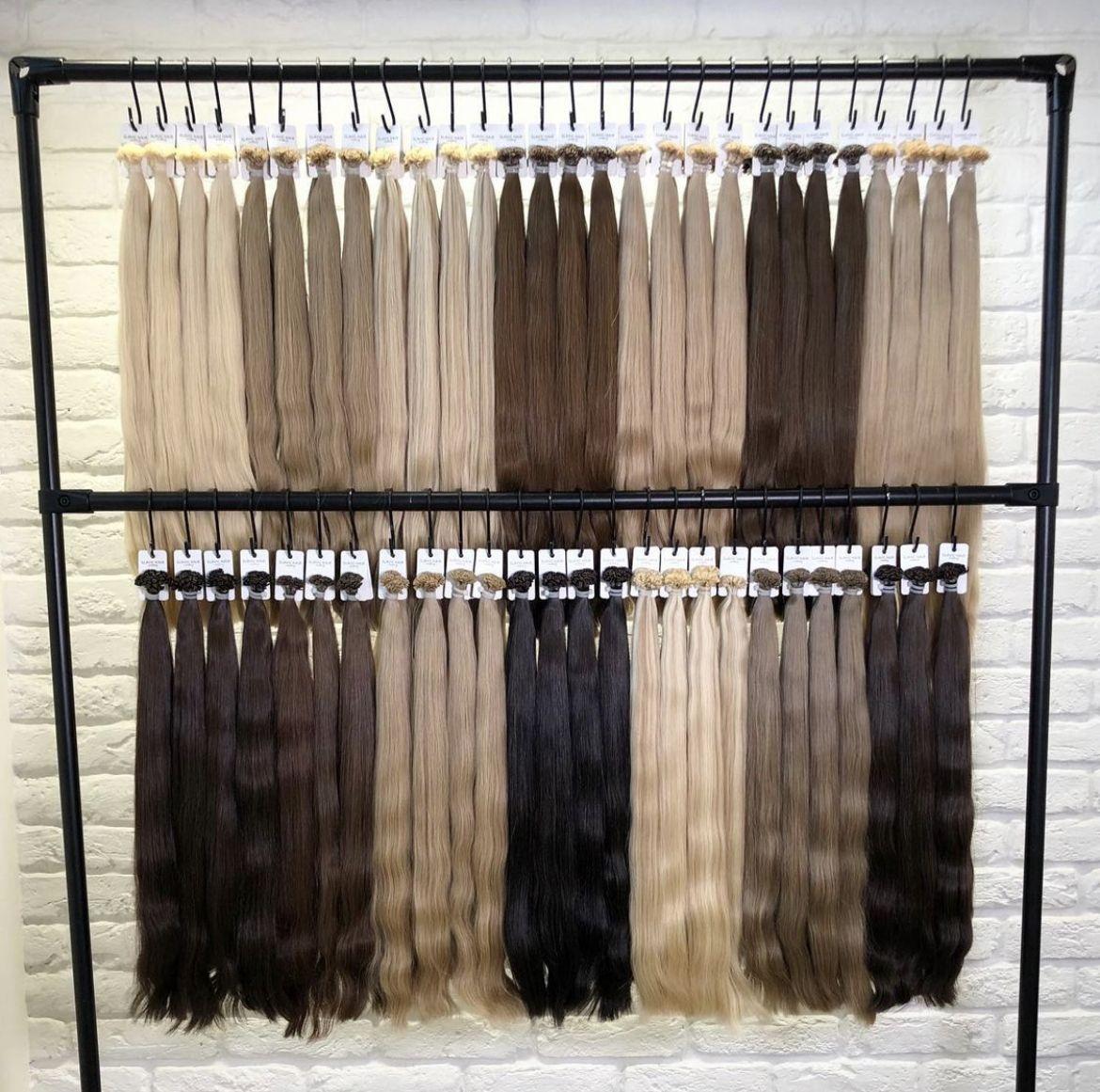
For new hair wholesalers, one of the biggest inventory questions is simple: should you stock more colors or more lengths?
With limited capital and uncertain customer demand, choosing the right products can help you avoid dead stock and keep your cash flow healthy. The key is not to stock everything, but to stock what your customers are most likely to buy and reorder.
1. Why Is Inventory Strategy Important for a New Wholesaler?
Inventory is one of the biggest decisions a new wholesaler has to make.
When you purchase hair in advance, your money is converted into physical stock. That stock only becomes available cash again after it is sold.
This is why inventory decisions affect much more than product availability.
1.1. Limited Capital
Most new wholesalers start with a limited budget.
If the available capital is divided across too many colors and lengths, the amount of each individual product may become too small to create a useful core stock.
On the other hand, putting too much money into a few expensive or less predictable products can create another problem: slow moving stock.
The challenge is finding the right balance.
1.2. Inventory Risk
Not every product that looks popular will necessarily sell well in your market.
A color may be trending on social media but receive very little demand from your actual customers. A long length may look attractive in your catalog but move much more slowly than medium lengths.
For a new wholesaler, this uncertainty makes inventory risk particularly important.
1.3. Cash Flow
Cash flow is closely connected to inventory turnover.
If too much money is tied up in products that are not selling, it becomes harder to reorder the products customers actually want.
A healthy inventory is not simply a large inventory. It is an inventory that keeps moving.
1.4. Customer Expectations
At the same time, customers expect wholesalers to have products available.
They may want:
• Popular colors
• Different lengths
• Fast delivery
• Consistent quality
• Enough variety to serve different clients
This creates the central challenge for a wholesaler:
How do you offer enough choice without overstocking?
2. Strategy One: Stock More Colors, Fewer Lengths
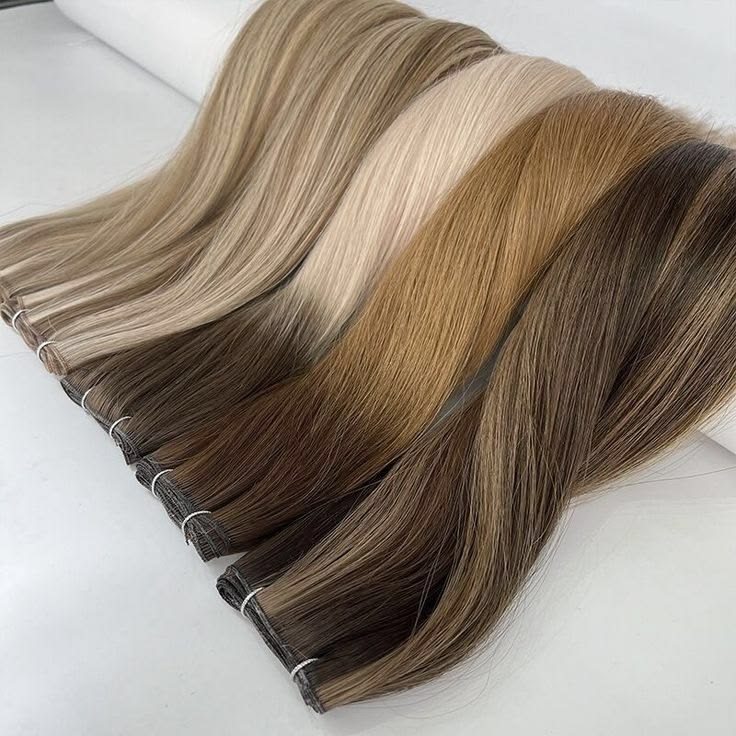
The first strategy is to keep a relatively focused range of lengths while offering a wider selection of colors.
For example, instead of carrying many lengths across only a few shades, a wholesaler can focus on several core lengths and use the remaining inventory budget to expand the color range.
This approach can work particularly well in markets where customers frequently request different shades.
2.1. Advantages of Stocking More Colors
A wider color range can help a wholesaler serve more customer needs.
Customers may be looking for natural shades, blondes, browns, highlights, balayage effects, or custom blends.
Having more colors available can make your catalog more attractive and give salons more options when matching hair to individual clients.
It can also help a wholesaler respond to changing color trends without changing the entire structure of the inventory.
Another advantage is customer acquisition.
A salon may not need many different lengths, but it may be looking for a particular shade. If that shade is available from your stock, you have a better chance of converting the inquiry into an order.
2.2. Disadvantages of Stocking More Colors
The main disadvantage is SKU complexity.
Every additional color creates another inventory item to track, reorder, photograph, price, and manage.
Some colors may also become slow moving products.
This is particularly risky when the wholesaler chooses colors based on personal preference rather than actual customer demand.
A large color collection can therefore create the impression of a strong inventory while quietly tying up capital in products that rarely move.
2.3. When Does This Strategy Make Sense?
Stocking more colors can make sense when:
• Your customers frequently ask for different shades
• Your market has strong demand for balayage or highlighted colors
• You work with many salons serving different client profiles
• Color variety is an important competitive advantage
• You already know which lengths sell consistently
In this situation, expanding colors while keeping lengths relatively focused can be a practical approach.
3. Strategy Two: Stock Fewer Colors, More Lengths
The second strategy takes the opposite approach.
Instead of offering a very wide color range, the wholesaler focuses on a smaller group of reliable colors while offering more length options.
This can work well when customers already have clear preferences for certain shades but frequently request different lengths.
3.1. Advantages of Stocking More Lengths
A wider range of lengths allows you to serve different customer requirements without dramatically expanding the number of colors you carry.
Some clients may need shorter lengths for natural volume and blending, while others may specifically request longer hair for a more dramatic result.
Offering several lengths within popular colors can also make it easier for customers to find exactly what they need.
For a wholesaler serving professional salons, this can be particularly useful because different clients may require different lengths even when they prefer the same basic color.
3.2. Disadvantages of Stocking More Lengths
The main risk is that some lengths may move much more slowly than others.
Longer lengths can also require more investment per unit. If demand is inconsistent, too much capital can become tied up in products that take a long time to sell.
There is also a risk of having a catalog that appears broad but does not offer enough color variety to attract customers looking for specific shades.
3.3. When Does This Strategy Make Sense?
A length focused inventory can make sense when:
• Customers frequently ask for specific lengths
• Your market has strong demand for long hair
• Your main colors already have consistent sales
• Your customers value length availability more than a very wide color selection
• You have enough sales data to identify your best selling lengths
In this situation, expanding length options around proven colors can be more efficient than constantly adding new shades.
4. More Colors vs. More Lengths: Which Strategy Is Better?
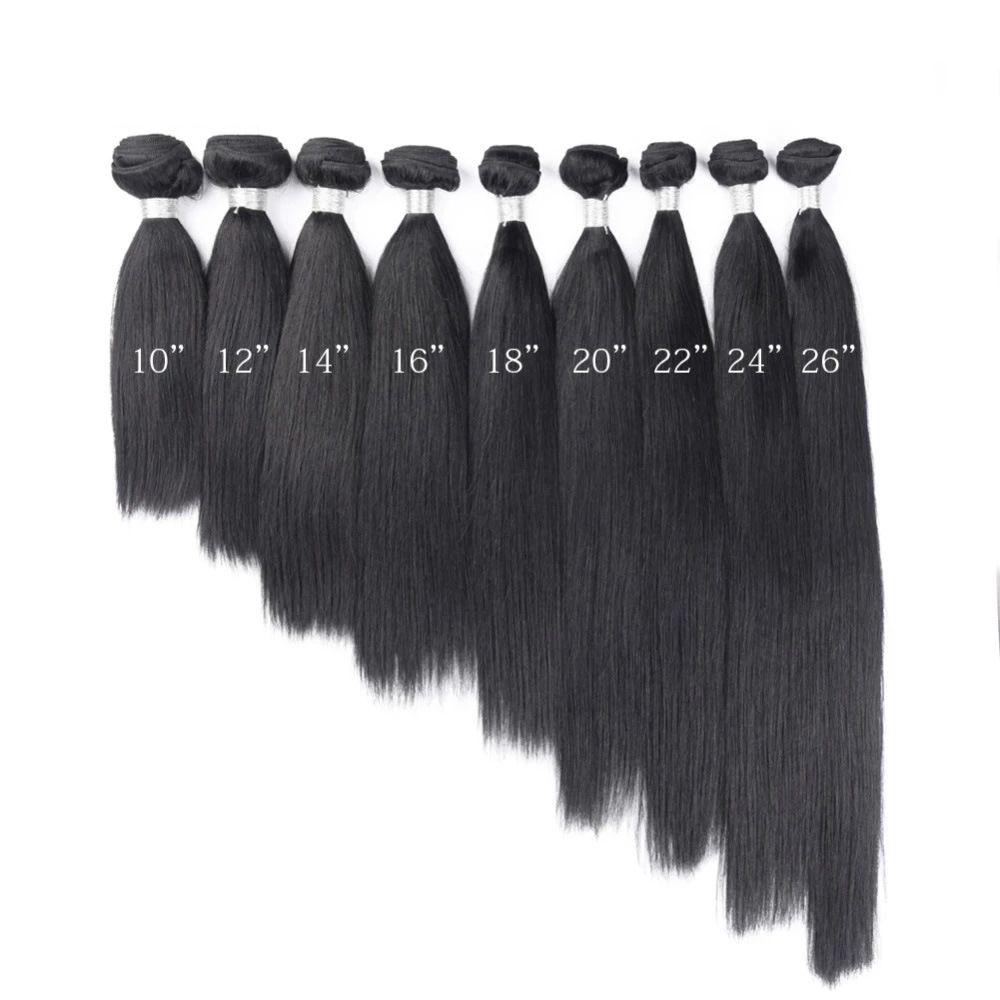
There is no universal answer.
The better strategy depends on what your customers actually buy.
Factor
More Colors
More Lengths
Product variety
Higher
Medium
SKU complexity
Higher
Medium
Customer choice
More shade options
More length options
Inventory risk
Slow moving colors
Slow moving lengths
Best for
Color driven markets
Length driven markets
Main challenge
Managing many shades
Managing slow lengths
The most important factor is not what looks impressive in your catalog.
It is what moves consistently.
4.1. Customer Demand Should Come First
Before deciding where to invest, look at what customers are actually asking for.
Which colors generate the most inquiries?
Which lengths are requested repeatedly?
Which products are reordered?
These questions are more useful than simply following general market trends.
A product that is popular globally is not necessarily a bestseller in your specific market.
4.2. Sales Data Is More Useful Than Personal Preference
Your inventory strategy should gradually become more data driven.
Useful information includes:
• Number of inquiries
• Number of orders
• Repeat orders
• Average order quantity
• Time required to sell the product
• Reorder frequency
Even inquiries that do not immediately become orders can provide useful information.
If customers repeatedly ask for a specific color or length that you do not currently stock, that may be a signal worth testing.
5. A Better Approach: Build a Core Stock First
For many new wholesalers, the best approach is not choosing between colors and lengths completely.
Instead, build a core stock first.
The idea is simple:
Start with a focused selection of products that have the highest potential for regular sales. Once you have enough sales data, gradually expand.
5.1. Identify Your Core Colors
Your core colors should be based on actual customer demand.
Look for shades that:
• Generate frequent inquiries
• Work across multiple customer profiles
• Have consistent reorder potential
• Match the preferences of your target market
These colors should receive a larger share of your initial inventory budget.
5.2. Identify Your Core Lengths
The same principle applies to lengths.
Instead of trying to stock every possible length, identify the lengths customers ask for most often.
These become your core lengths.
Once your core colors and lengths are established, you can build additional inventory around them.
5.3. Add Long Tail Products Later
Less predictable colors and lengths do not necessarily need to be kept in large quantities.
They can be handled through:
• Small test quantities
• Pre orders
• Customer specific orders
• Supplier production on demand
This allows you to offer variety without carrying large amounts of slow moving stock.
6. How Should a New Wholesaler Decide What to Stock?
A good inventory strategy starts with the market, not the warehouse.
6.1. Start With Your Target Market
Different markets can have very different preferences.
A market with strong demand for blondes may require a different color strategy from a market dominated by natural browns and darker shades.
Similarly, one market may have stronger demand for long hair while another may prioritize more practical everyday lengths.
Before buying stock, understand the customers you are trying to serve.
6.2. Study Your Customer Profile
Consider who is buying from you.
Are they:
• Hair salons
• Distributors
• Online hair sellers
• Independent stylists
• Beauty professionals
Each customer group can have a different purchasing pattern.
A salon may order according to individual client needs, while a distributor may prioritize products that can be sold repeatedly across a wider customer base.
6.3. Track Requests Before Buying
Customer inquiries are valuable market research.
If several customers ask about a particular color but you do not have it available, record those requests.
Do the same for lengths, textures, and hair types.
Over time, these records can show patterns that are much more useful than guessing.
6.4. Test Before Scaling
One of the safest approaches for a new wholesaler is:
Test → Measure → Reorder → Expand
Start with a manageable selection.
Observe what happens.
Products that sell consistently can receive more investment. Products that move slowly should be reviewed before additional stock is purchased.
This approach allows your inventory to grow together with your actual business.
7. How to Avoid Dead Stock
Dead stock can become one of the biggest problems for a growing wholesaler.
The longer a product remains unsold, the more capital it ties up.
7.1. Do Not Stock Every Possible Color
A large catalog may look impressive, but more products do not automatically mean more sales.
If you are still learning your market, it is usually better to have a smaller selection of reliable products than a huge catalog with inconsistent demand.
7.2. Avoid Overbuying Slow Moving Lengths
Do not assume that every length deserves equal inventory.
If one length consistently sells faster than another, inventory should reflect that difference.
Stock should follow demand rather than being distributed equally simply for the sake of having a complete range.
7.3. Use Pre Orders for Less Predictable Products
Products with uncertain demand can be offered through pre orders or customer specific sourcing.
This gives customers access to more options without requiring you to hold large quantities in advance.
7.4. Review Inventory Regularly
Inventory should not be a set and forget system.
Regularly divide products into categories such as:
Fast Moving
Products that sell consistently and should be reordered.
Slow Moving
Products that sell occasionally and should be monitored.
Dead Stock
Products that have little or no movement and may require a different sales strategy.
This simple classification can make inventory decisions much easier.
8. How to Build a Flexible Hair Extension Inventory
A useful model for a new wholesaler is to divide inventory into three levels.
8.1. Core Stock
These are your most reliable products.
They should be readily available because customers are likely to request them repeatedly.
Core stock usually receives the largest share of the inventory budget.
8.2. Flexible Stock
These products have some proven demand but are not yet strong enough to justify large quantities.
Keep smaller quantities and monitor sales closely.
If demand increases, move them into the core stock category.
8.3. On Demand
These are less predictable colors, lengths, or special combinations.
Instead of keeping them in large quantities, source or produce them when a customer places an order.
This three level model creates a balance between availability and cash flow:
Core Stock → Flexible Stock → On Demand
It gives customers variety while reducing unnecessary inventory risk.
9. When Should You Expand Colors or Lengths?
Expansion should happen because your business has earned the need for more inventory, not simply because a larger catalog looks better.
Consider expanding when your existing core products are selling consistently and you are receiving repeated requests for products that you do not currently stock.
9.1. Signals to Add More Colors
You may want to add more colors when:
• Customers repeatedly request shades you do not stock
• Existing colors are selling consistently
• You see increasing demand for a specific color family
• Your target market is becoming more color diverse
• Your cash flow can support additional inventory
9.2. Signals to Add More Lengths
Consider adding more lengths when:
• Customers frequently ask for lengths you do not carry
• Your core colors already have stable sales
• Certain length categories are consistently requested
• Customers are willing to wait for those lengths
• Your inventory turnover remains healthy
9.3. Signals to Stop Buying a Product
Expansion is only one side of inventory management.
You also need to recognize when a product should no longer receive additional investment.
Repeatedly low sales, long storage periods, and very few customer inquiries are all signals that a product may not deserve more inventory.
Instead of automatically reordering it, investigate why it is slow.
Sometimes the issue is the color or length. Sometimes it is pricing, positioning, or simply a mismatch with your target market.
10. Frequently Asked Questions

10.1. Should a new hair wholesaler stock many colors?
Not necessarily. A new wholesaler usually benefits more from a focused selection of proven colors than from trying to stock every shade available.
10.2. How many hair colors should a wholesaler stock?
There is no universal number. The right range depends on the target market, customer profile, available capital, and actual sales data.
10.3. Should I stock more lengths or more colors?
Look at customer demand first. If customers frequently request different shades, prioritize colors. If your core shades sell consistently but customers often ask for specific lengths, expanding lengths may make more sense.
10.4. What hair products should a new wholesaler stock first?
Start with products that have the strongest combination of customer demand, repeat purchase potential, manageable investment, and reasonable inventory turnover.
10.5. How can wholesalers avoid dead stock?
Start with smaller quantities, track sales, review inventory regularly, use pre orders for uncertain products, and avoid buying large quantities based only on trends or personal preference.
10.6. Should I buy stock before customers ask for it?
For proven core products, keeping stock available can help provide faster service. For less predictable products, it can be safer to test demand before committing significant capital.
10.7. When should a wholesaler expand inventory?
Expand when existing products have consistent sales and customer requests show a clear need for additional colors, lengths, or other product variations.
11. Conclusion
For a new hair wholesaler, the question is not simply whether to stock more colors or more lengths.
The more important question is:
Where will your inventory investment create the best combination of customer availability and stock turnover?
A successful inventory does not need to contain every possible product.
It needs to contain the right products in the right quantities at the right time.
Instead of trying to build a huge catalog from day one, start with a focused core stock. Track what customers ask for, measure what actually sells, identify your fast moving products, and gradually expand from there.
A practical inventory strategy can follow a simple process:
Start Narrow → Test Demand → Track Sales → Reorder Winners → Expand Gradually
For wholesalers, this approach can reduce inventory risk while giving customers enough choice to grow the business.
The goal is not to have the biggest stock.
The goal is to have a stock that moves.

+84 389 023 690