

Why Does Hair Get Frizzy After Washing?
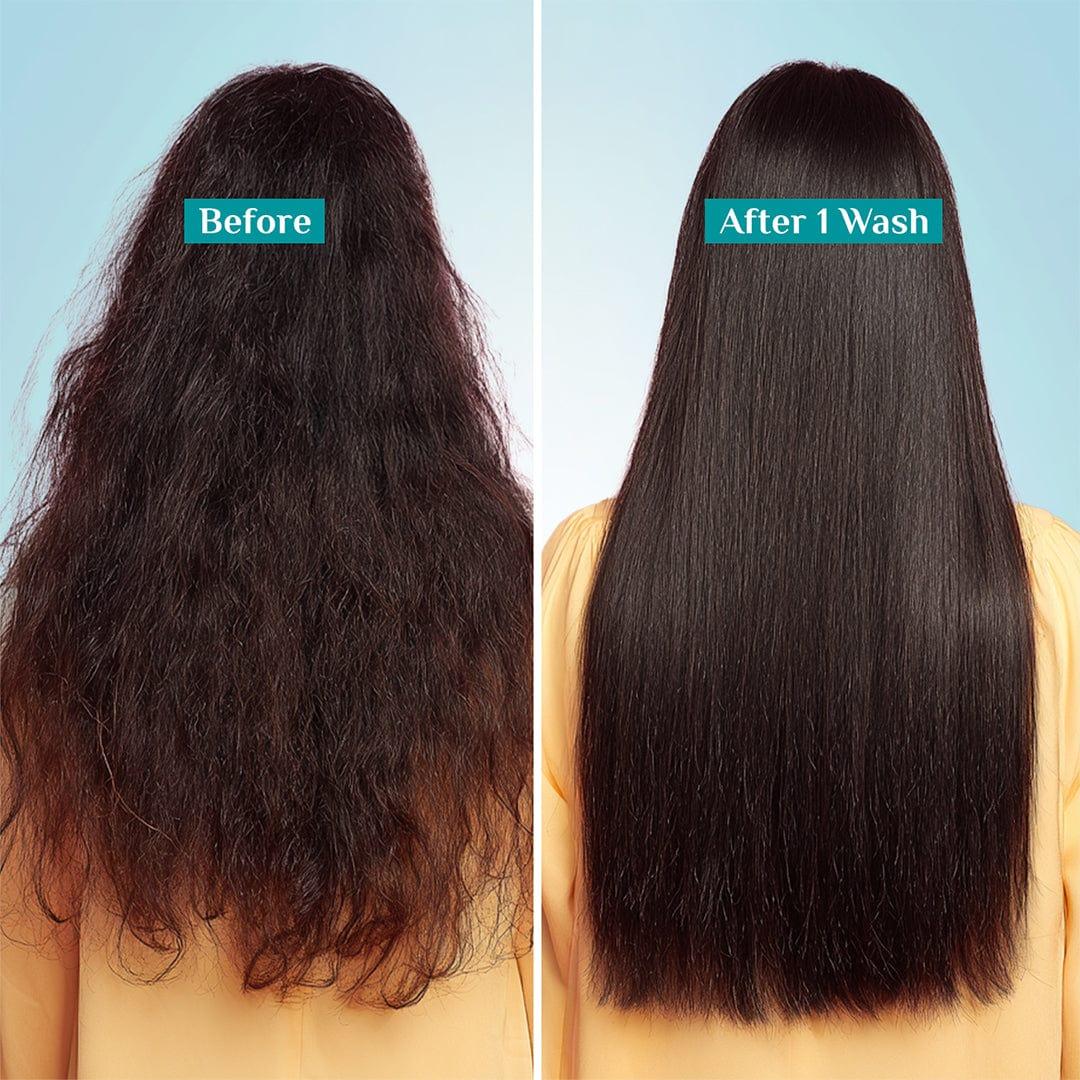
Have you ever noticed that your hair looks smooth before washing, but becomes fluffy, rough, or frizzy once it dries?
This is a common experience, and it does not necessarily mean that your hair is damaged. After washing, your hair goes through several changes as it comes into contact with water, moisture, friction, and air. The condition of the hair cuticle and your natural hair texture can also affect how much frizz you see.
Understanding why hair gets frizzy after washing can help you choose a better washing and hair care routine, especially if you want your hair to stay smooth and manageable after it dries.
1. What Causes Hair to Get Frizzy After Washing?
There is rarely just one reason behind frizzy hair after washing. Several factors can work together, including moisture, the condition of the hair cuticle, humidity, and friction.
When hair becomes wet, water enters the hair fiber and temporarily changes the way the strands behave. Once the hair starts drying, each strand returns to its natural shape. If the strands do not dry evenly, or if the cuticle is rough or raised, the hair can look more fluffy and less controlled.
The main factors behind post wash frizz include:
• Moisture entering and leaving the hair fiber
• A raised or uneven hair cuticle
• Humidity in the surrounding environment
• Friction during washing, drying, or brushing
• Natural hair texture
• Previous heat or chemical damage
These factors are closely connected, which is why frizz can sometimes appear even when you are using good hair care products.
1.1 Moisture and Water Absorption
Water plays an important role in the way hair behaves.
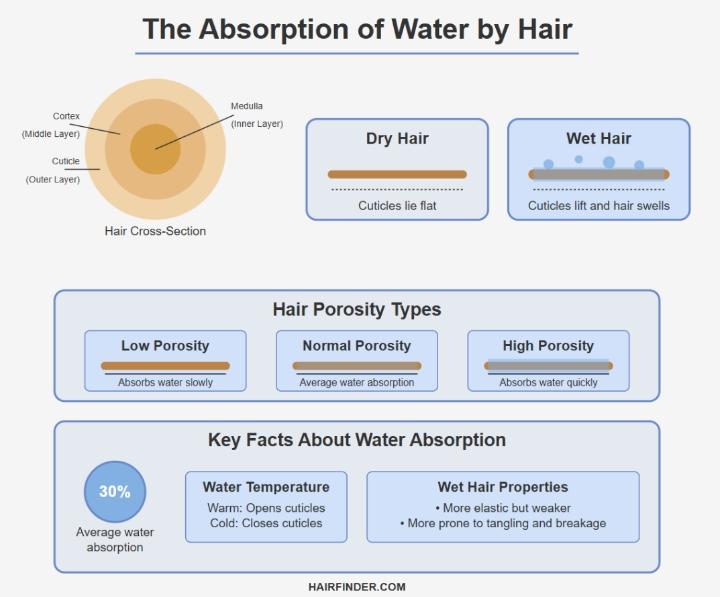
Hair is made primarily of keratin, and the hair fiber can absorb and release moisture. When hair becomes wet, water interacts with the internal structure of the fiber and temporarily changes its shape and flexibility.
As the hair dries, it gradually returns to a drier state. However, different strands may absorb and release moisture at different rates. This can make the hair surface look uneven, especially when some strands remain smoother while others become more expanded or wavy.
This is one reason why hair can look smooth when it is wet but become fluffy as it dries.
1.2 Hair Porosity Also Matters
Hair porosity describes how easily hair absorbs and retains moisture.
Hair with a relatively smooth cuticle tends to control moisture more effectively. Hair with a more porous or damaged cuticle can absorb moisture more quickly and may also lose it more easily.
This does not mean that high porosity hair is always damaged. However, changes to the cuticle caused by bleaching, coloring, heat, or repeated mechanical stress can increase porosity and make frizz more noticeable.
2. How Does the Hair Cuticle Affect Frizz?
The outermost layer of the hair shaft is called the cuticle. It is made up of overlapping layers that help protect the inner parts of the hair fiber.
Think of the cuticle as a protective surface around the hair.
When the cuticle lies relatively flat, the surface of the hair tends to feel smoother. When the cuticle becomes raised, rough, or uneven, there is more friction between individual strands. This can make the hair look dull, tangled, and frizzy.
2.1 Smooth Cuticle vs. Raised Cuticle
Hair with a smoother cuticle generally has a more even surface. Light can reflect from the surface more consistently, which contributes to a smoother and shinier appearance.
When the cuticle is raised or damaged, the surface becomes less uniform. The hair may feel rougher and become more difficult to control.
This is why two people can follow the same washing routine but experience very different levels of frizz.
2.2 What Can Affect the Hair Cuticle?
The cuticle can be affected by many everyday factors, including:
• Frequent exposure to high heat
• Bleaching and chemical processing
• Excessive washing
• Rough towel drying
• Aggressive brushing
• Repeated friction
• Environmental exposure
Over time, these factors can make the surface of the hair less smooth.
3. Why Does Humidity Make Hair Frizzy?
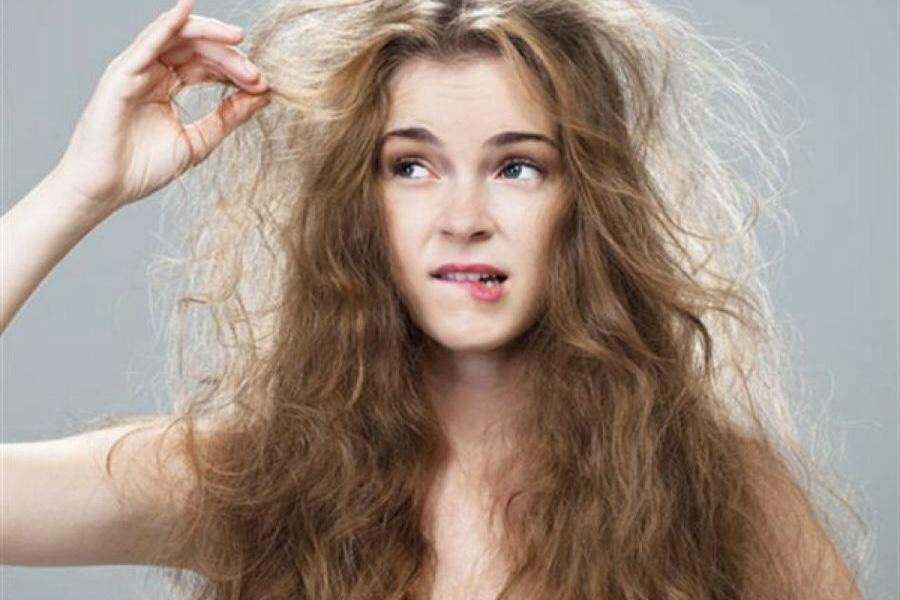
Humidity is another major factor behind frizz.
After washing, hair is already interacting with moisture. If the surrounding air is also humid, the hair can continue exchanging moisture with the environment.
This is especially noticeable when the hair has a porous or uneven cuticle.
When individual strands respond differently to moisture, they may expand, bend, or change shape at different rates. Instead of lying together smoothly, the strands can move in different directions.
The result is the familiar fluffy or frizzy appearance.
3.1 Why Is Frizz Worse on Humid Days?
You may notice that your hair behaves perfectly on a dry day but becomes much harder to control when the weather is humid.
The reason is simple: moisture in the air can interact with the hair fiber.
Hair that is more sensitive to humidity can absorb additional moisture from the surrounding environment. This can exaggerate the hair's natural texture and make straight hair appear more wavy or make already wavy hair look fuller.
This is also why frizz is not always a sign that something is wrong with your hair. Sometimes, it is simply the way your natural hair texture responds to its environment.
4. Why Does Friction Make Hair More Frizzy?
Friction is often overlooked when people talk about frizz.
Every time you wash, dry, brush, or style your hair, there is some degree of mechanical contact between the hair and another surface.
When hair is wet, it is more vulnerable to mechanical stress. Rough movements can increase tangling and place additional stress on the outer surface of the hair.
4.1 Friction During Washing
Scrubbing the lengths of the hair aggressively can create unnecessary friction between individual strands.
For most hair types, it is better to focus shampoo primarily on the scalp and allow the product to move through the lengths during rinsing rather than repeatedly rubbing the hair together.
4.2 Friction When Drying Hair
One of the most common mistakes is vigorously rubbing wet hair with a towel.
This creates repeated friction between the towel and the hair surface. For hair that is already dry, porous, or chemically processed, this can make the hair feel rougher and increase the appearance of frizz.
Instead, gently squeeze excess water from the hair and handle it as softly as possible.
4.3 Friction When Brushing Wet Hair
Wet hair can be more vulnerable to stretching and mechanical stress.
Pulling a brush aggressively through tangled wet hair can contribute to breakage and roughness. Detangling gently, starting from the ends and gradually moving upward, can reduce unnecessary tension.
5. Does Hair Type Affect How Much Frizz You Get?
Yes. Natural hair texture plays an important role in how frizz appears.
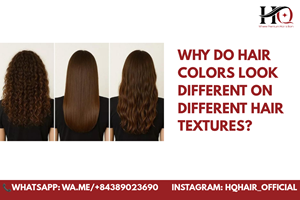
5.1 Straight Hair
Straight hair often lies closer together, so changes in individual strands can be very noticeable.
When humidity or a rough cuticle causes some strands to bend or lift away from the rest, the contrast can make frizz particularly visible.
5.2 Wavy Hair
Wavy hair naturally changes direction along the hair shaft. When moisture enters the hair, the natural wave pattern can become more pronounced.
As a result, what looks like frizz may sometimes be the hair returning to its natural texture.
5.3 Curly Hair
Curly hair tends to be more sensitive to changes in moisture and friction because of its structure.
The natural curves of the strands can make it more difficult for the hair's natural oils to travel evenly from the scalp to the ends. This can contribute to dryness and increased frizz.
For curly hair, maintaining moisture balance and reducing friction are particularly important.
6. How to Prevent Frizzy Hair After Washing
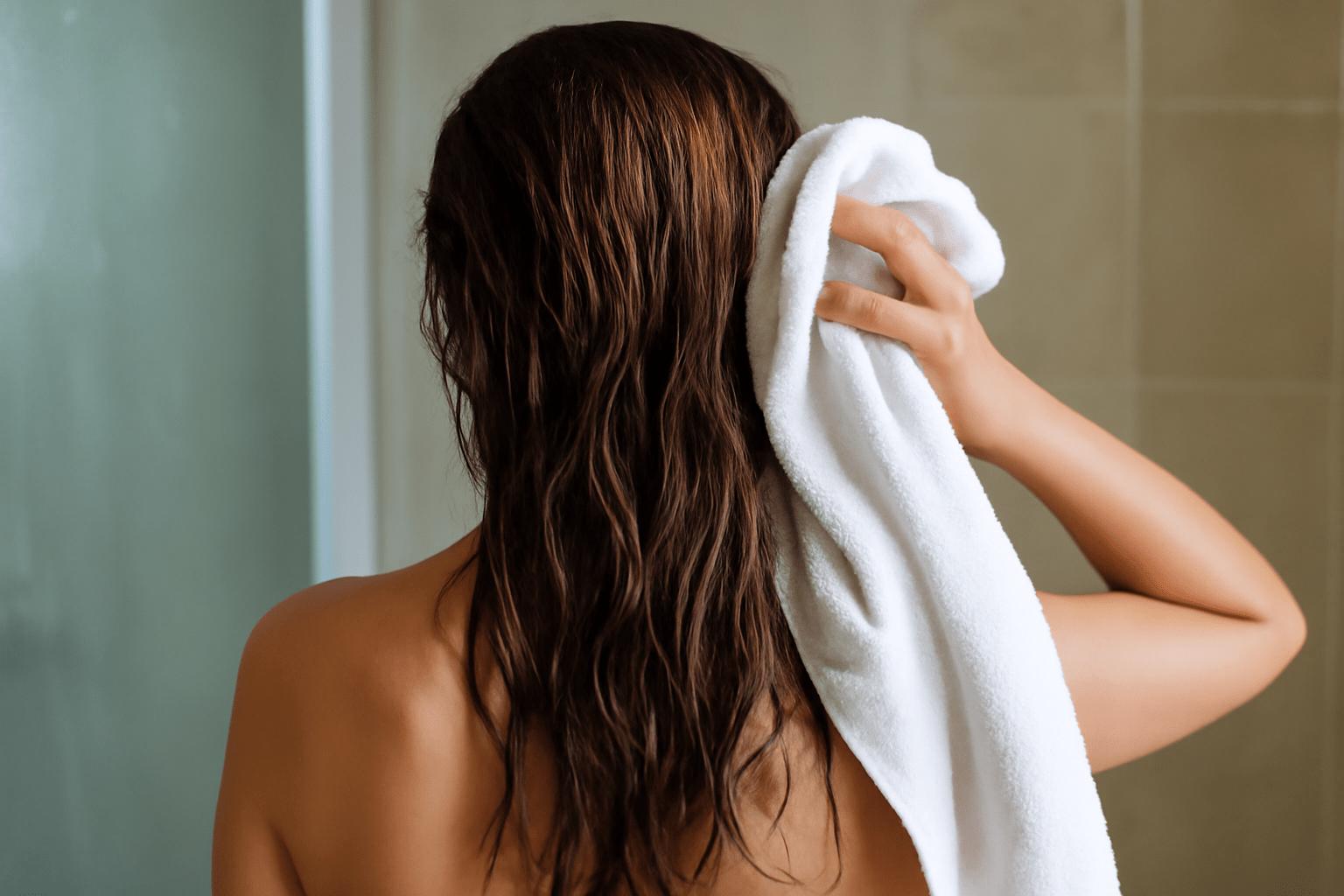
You cannot always eliminate frizz completely, especially when it is part of your natural texture. However, you can reduce unnecessary frizz by changing how you wash and handle your hair.
6.1 Choose Hair Care Products Based on Your Hair's Needs
A suitable shampoo and conditioner can help maintain the hair's moisture balance and improve manageability.
There is no single product that works for every hair type. Fine hair, dry hair, curly hair, and chemically processed hair may require different approaches.
6.2 Reduce Friction While Washing
Avoid aggressively rubbing the lengths of your hair together.
Massage the scalp gently and handle the lengths with care. When rinsing, allow the water to flow through the hair rather than repeatedly twisting or scrubbing it.
6.3 Dry Hair Gently
After washing, avoid vigorous towel rubbing.
Instead, gently squeeze out excess water and use a soft towel or suitable drying material to absorb moisture.
The less unnecessary friction you create, the easier it is to maintain a smoother hair surface.
6.4 Detangle Carefully
Do not force a brush through knots.
Start at the ends and work upward gradually. This reduces pulling and helps minimize mechanical stress.
For textured hair, the right detangling method may also help preserve the natural pattern rather than creating unnecessary frizz.
6.5 Be Careful With Heat
High temperatures can affect the hair cuticle over time.
If you use a hair dryer, straightener, or curling tool regularly, controlling the temperature and using appropriate heat protection can help reduce unnecessary stress on the hair.
6.6 Consider the Environment
If you live in a humid climate, your hair may naturally be more prone to frizz.
Anti humidity products, leave in conditioners, and suitable styling products can help create a barrier and improve manageability. However, these products work best when combined with gentle handling and an appropriate hair care routine.
7. Is Frizzy Hair After Washing a Sign of Hair Damage?
Not necessarily.
Frizz can be a completely normal part of someone's natural hair texture. Wavy and curly hair, for example, may naturally become more defined or voluminous after washing.
However, a sudden or significant increase in frizz can sometimes indicate that the hair surface has become rougher.
Look for other signs such as:
• Excessive dryness
• Frequent tangling
• Split ends
• Increased breakage
• Rough texture
• Reduced elasticity
• Hair that feels noticeably weaker
If several of these signs appear together, the problem may involve more than simple post wash frizz.
The important point is to distinguish between natural texture and hair damage. Not every strand that moves away from the main shape is a damaged strand.
8. What Does This Mean for Hair Extensions?
The same principles are important when choosing hair extensions.
Hair extensions are exposed to washing, drying, humidity, brushing, and daily styling just like natural hair. Therefore, the condition and structure of the hair can influence how it looks after washing.
For salons and professional hair extension buyers, texture consistency is particularly important.
Straight extensions should maintain a consistent appearance after washing. Natural wave extensions should have a predictable wave pattern. The hair should also blend naturally with the client's own texture.
This is why factors such as cuticle condition, texture consistency, hair quality, and processing history are important when sourcing hair extensions.
For professional use, choosing hair based only on how it looks when dry may not be enough. It is also worth considering how the hair behaves after washing and during long term use.
9. Frequently Asked Questions About Frizzy Hair After Washing
9.1 Why does my hair get frizzy immediately after washing?
Hair can become frizzy after washing because water changes the behavior of the hair fiber, while friction, humidity, and the condition of the cuticle can affect how individual strands settle as they dry.
9.2 Why is my hair smooth before washing but frizzy afterward?
Before washing, styling products, natural oils, or the existing shape of the hair may help keep individual strands together. Washing removes some of these factors, allowing the hair to return to its natural texture.
9.3 Does humidity make hair more frizzy?
Yes. Humidity can cause hair to absorb additional moisture from the surrounding air. This can make natural texture more noticeable and cause individual strands to expand or change shape.
9.4 Can a damaged hair cuticle cause frizz?
Yes. A rough or damaged cuticle can increase friction between strands and make the hair less able to manage moisture evenly, which can contribute to frizz.
9.5 How can I reduce frizz after washing my hair?
Handle wet hair gently, reduce friction, avoid aggressive towel drying, detangle carefully, use suitable conditioning products, and limit excessive heat.
9.6 Does hair type affect frizz?
Yes. Straight, wavy, and curly hair can respond differently to moisture and humidity. Natural texture is one of the main factors that determines how frizz appears after washing.
10. Final Thoughts
Frizzy hair after washing is not caused by one single problem.
It is usually the result of several factors working together: moisture, humidity, the condition of the hair cuticle, friction, and natural hair texture.
Understanding these factors makes it easier to look at frizz in the right way. Instead of assuming that every flyaway means damaged hair, consider how your hair reacts to water, how you handle it while wet, and how it responds to the surrounding environment.
For hair professionals and extension buyers, this understanding is equally important. Hair quality is not only about how the hair looks when it arrives. Its texture, cuticle condition, and behavior after washing all contribute to the final result.
+84 389 023 690