


Why Can the Same Hair Color Look Different? Understanding Texture, Hair Base, Lighting and Photos
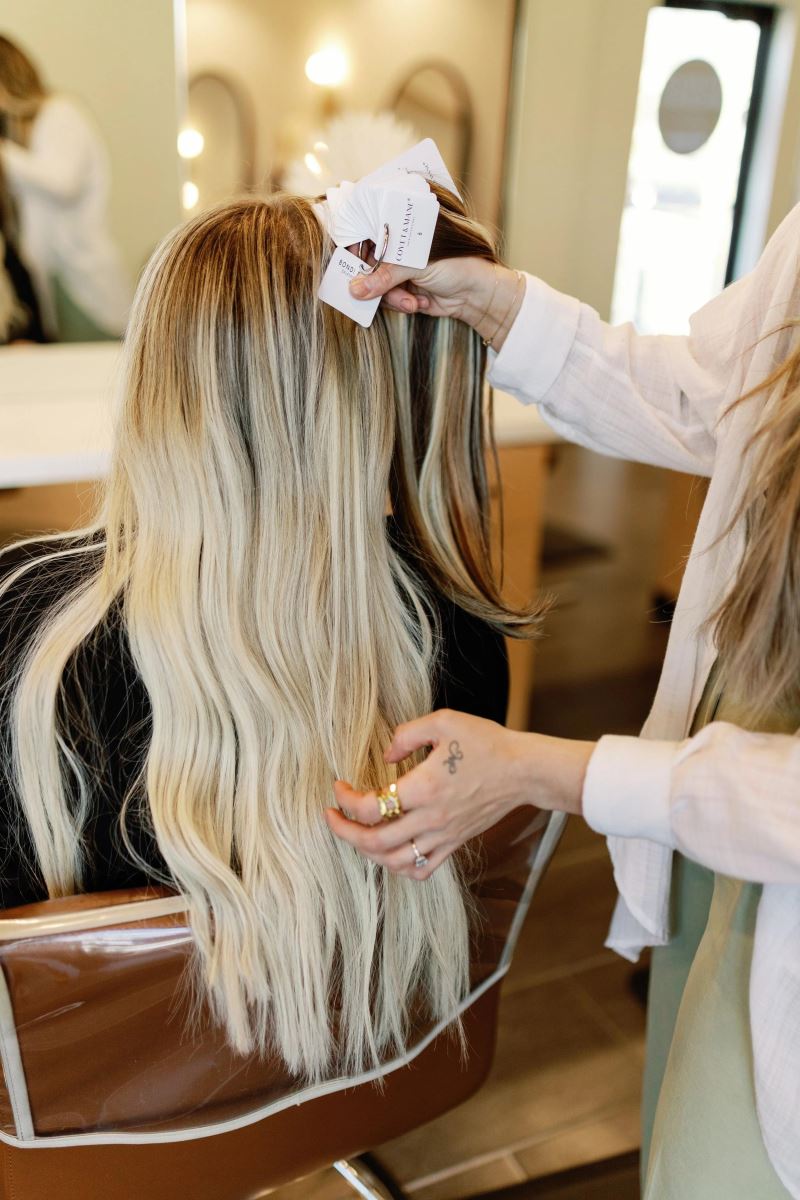
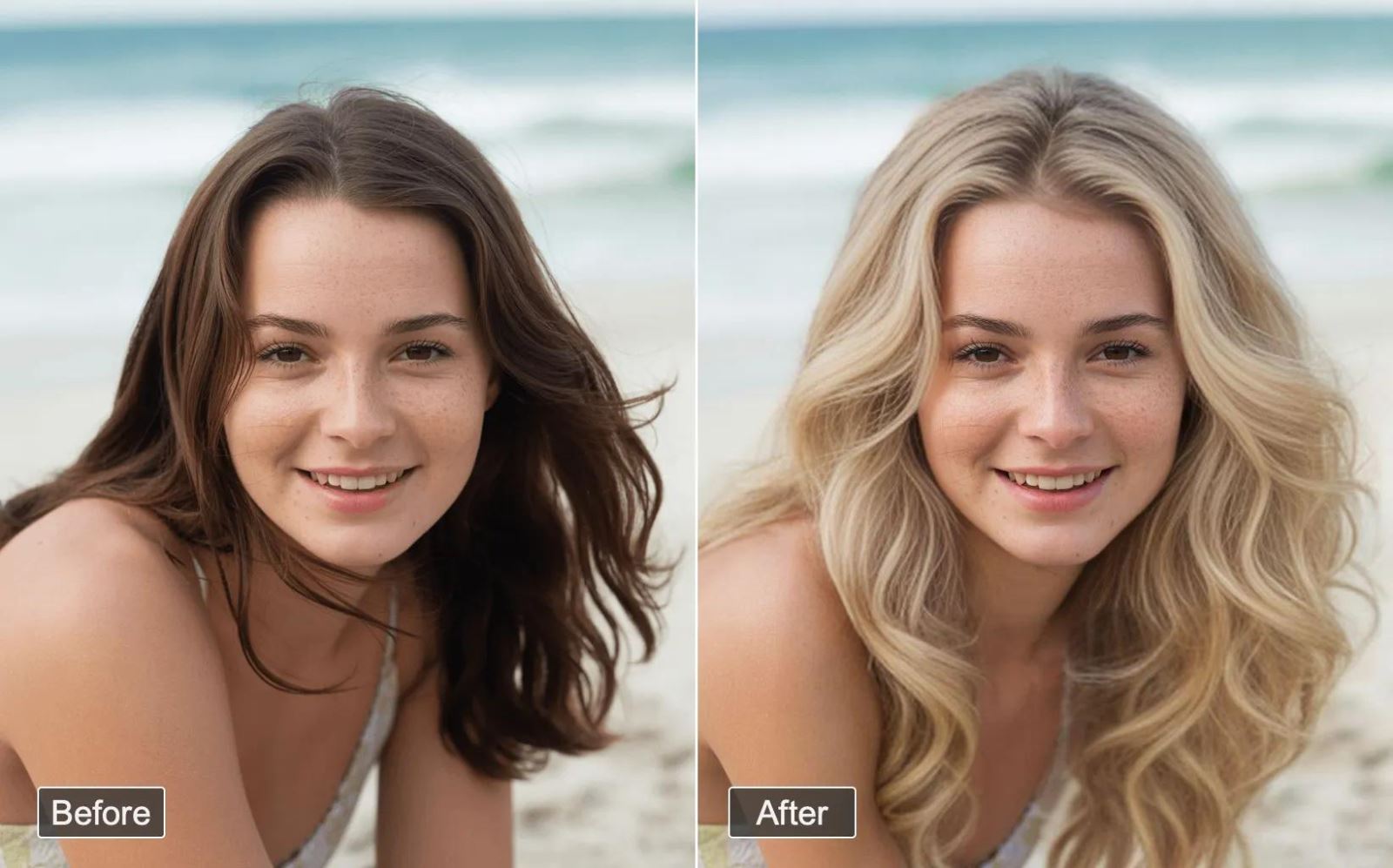
The hair's original base, texture, lighting, camera settings and even the way a photo is edited can change how a color appears.
For wholesalers, understanding these factors is important when communicating color requirements with a factory. A reference photo is useful, but it should be treated as a guide rather than a guarantee that the finished hair will look identical in every situation.
01. The Original Hair Base
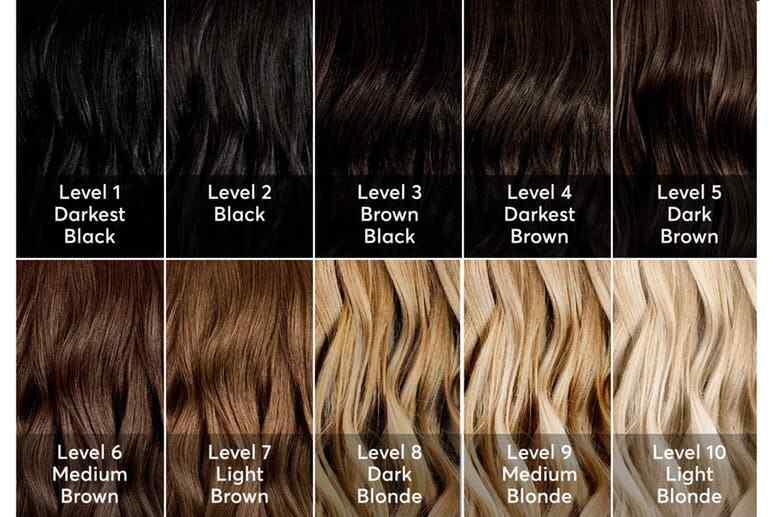
The starting color of the hair has a major influence on the final result.
Hair does not always start from the same natural base. Different hair bases can respond differently during the coloring or lightening process.
For example, a darker natural base needs to go through more processing to reach a light blonde shade.
The underlying pigment that remains after lightening can also affect the final tone.
This is why the same color formula may produce slightly different results depending on the starting hair base.
For custom colors, the factory needs to consider the original hair color before determining how the hair should be processed.
02. Hair Texture Can Affect Color Appearance
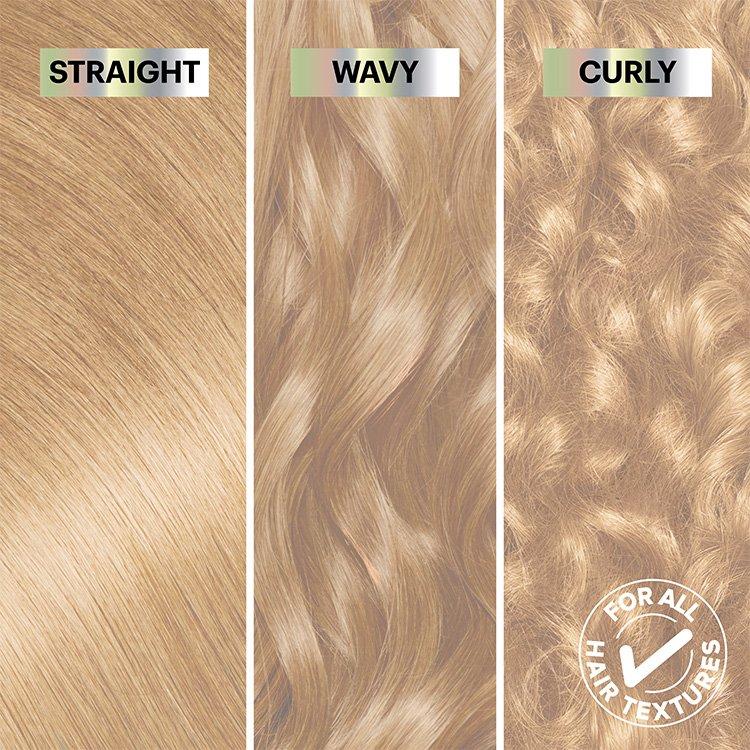
Texture can also change the way a color looks.
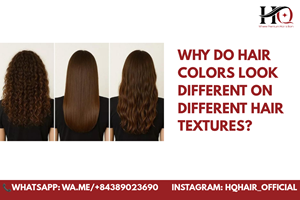
Straight hair reflects light differently from Wave or Curly hair.
On straight hair, light can reflect more directly from the surface, which may make the color appear brighter or more uniform.
On wavy or curly hair, the different directions of the strands can create more shadows and highlights.
As a result, the same color may appear slightly lighter, darker, warmer or cooler depending on the texture.
This does not necessarily mean that the color itself is different.
The way the hair reflects and absorbs light can simply make the color look different to the eye.
03. Lighting Can Change the Color You See
Lighting is one of the most common reasons why a hair color can look different between two photos.
Natural daylight, warm indoor lighting, cool white lighting and studio lighting can all affect color perception.
For example, a blonde shade photographed under warm light may appear more golden.
The same hair photographed under cool white light may appear lighter or slightly ashier.
This is why comparing a factory sample photo with a customer's reference photo can sometimes create the impression of a color difference even when the actual hair is relatively close.
For a more reliable comparison, it is better to compare colors under similar lighting conditions.
04. Camera Settings Also Affect Color
The camera or smartphone used to take a photo can change the appearance of hair color.
Automatic exposure, white balance, HDR and other camera processing can affect how colors are recorded.
Two phones can photograph the same hair and produce noticeably different results.
For example, one camera may produce a warmer image while another may make the same hair look cooler or brighter.
This is particularly noticeable with blonde, ash, beige and pastel shades, where small changes in tone can be easier to see.
Therefore, a digital photo should not always be treated as an exact color measurement.
05. Photo Editing Can Change the Reference
Another factor is image processing.
Many photos used as color references may have been adjusted before being posted online.
Brightness, contrast, saturation, temperature and other settings can change the appearance of the hair.
Filters can also make a color look warmer, cooler, lighter or more intense than the actual hair.
This is why a photo found on Instagram, Pinterest or another platform may not represent the exact physical color of the hair.
For custom production, a physical color reference or an agreed color standard is generally more reliable than relying only on an edited online image.
06. The Same Color Can Look Different on Different Hair
Even when the same color formula is used, the final appearance can vary depending on the condition and characteristics of the hair.
Factors such as:
• Original hair base
• Hair texture
• Hair porosity
• Previous processing
• Lightening level
• Color formula
• Processing method
can all influence the final result.
This is particularly important when working with custom blonde colors or complex color combinations.
The goal is therefore not simply to copy a photo.
The goal is to understand the reference, the starting hair and the desired final result, then determine the appropriate production process.
07. Why Color References Need Clear Communication
When ordering a custom color, sending a reference photo is a good starting point.
However, the factory also needs to understand what part of the photo is important to you.
For example, are you trying to match:
The overall tone?
The level of lightness?
The warm or cool undertone?
The color combination?
The balayage placement?
The root and length contrast?
These details can make a significant difference.
If possible, wholesalers should provide a clear reference and explain the specific result they want.
This gives the factory a better understanding of the target color.
08. Why 100% Color Matching From a Photo Is Difficult
It is important to set realistic expectations when using photos as color references.
A photo is a digital representation of a physical product.
The final appearance can change depending on:
Hair Base + Texture + Lighting + Camera + Editing
Because these factors can all vary, it is difficult to guarantee that a physical hair product will look 100% identical to a digital reference photo under every lighting condition.
This is especially true for complex shades, blonde tones, balayage and mixed colors.
A better approach is to use the photo as a reference and clearly define the desired tone and overall appearance.
09. How HQ Hair Approaches Custom Color Requests
When a wholesaler sends HQ Hair a color reference, we look beyond the photo itself.
Our team considers the requested color together with the hair base, product type, texture and production requirements.
For custom colors, we can discuss details such as:
• Target color
• Starting hair base
• Lightening requirements
• Color combination
• Texture
• Length
• Quantity
• Final appearance
This is particularly useful for wholesalers developing their own color collection.
Instead of simply saying “make it like this photo,” you can provide a clearer color reference and explain what you want to achieve.
The more specific the reference, the easier it is to establish a clear production target.
10. A Better Way to Communicate Your Color Requirements
If you are preparing a custom color order, try to provide:
1. A clear reference photo
Choose an image where the hair color is easy to see.
2. Multiple references when necessary
If possible, provide more than one reference under different lighting conditions.
3. The desired tone
Tell the factory whether you want the color to look warmer, cooler, brighter, darker or more neutral.
4. The desired effect
For balayage, ombre or mixed colors, explain how you want the colors to transition.
5. The product details
Include the desired length, texture and product type.
This gives the factory more information to work with than a single photo alone.
11. Why This Matters for Wholesalers
For wholesalers, clear color communication can help reduce misunderstandings before production starts.
This is particularly important when ordering customized colors in larger quantities.
A color that looks slightly different on a phone screen can lead to very different expectations between the buyer and the factory.
By discussing the reference, target tone and production requirements in advance, both sides have a clearer understanding of the expected result.
At HQ Hair, we encourage wholesalers to share their color references before confirming custom production so the requirements can be discussed clearly from the beginning.
Send Us Your Color Reference
Have a custom color in mind?
Send HQ Hair your color reference, preferred tone, hair texture, length and product type.
Our team can review your requirements and discuss how the reference can be approached for production.
Send Us Your Color Reference
+84 389 023 690